
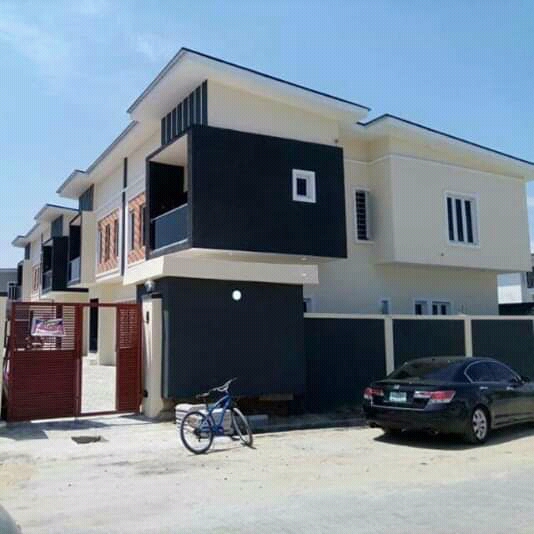

For many aspiring homeowners and investors in Nigeria, the 3-bedroom flat represents a sweet spot: offering ample space for families, excellent rental income potential, and a more accessible entry point compared to detached homes. However, understanding the true cost of building a 3-bedroom flat in Nigeria in 2026 requires a detailed breakdown beyond just raw materials. This updated price guide aims to provide clarity on the total expenses involved, from foundation to finishing, ensuring you’re well-equipped for your next real estate project.
Factors Influencing 3-Bedroom Flat Construction Cost in Nigeria
The total 3-bedroom flat construction cost is influenced by several critical factors. These primarily include the choice of geographical location (e.g., Lagos, Abuja, Port Harcourt vs. secondary cities), the quality of building materials, the complexity of the architectural design, labor wages, and regulatory fees. A realistic budget must account for all these variables to avoid unforeseen expenses.
Key Cost Determinants:
- Location: Land costs, labor rates, and logistics for material transport vary significantly across states and within cities.
- Design & Structure: A standalone flat versus one in a block of apartments (which might share foundation/roofing costs) will differ. Simple vs. intricate architectural designs.
- Material Quality: Economy, standard, or luxury finishes for tiles, sanitary wares, electrical fittings, etc., will greatly impact the budget.
- Professional Fees: Architects, structural engineers, quantity surveyors, and council approvals.
- Market Volatility: Fluctuations in the price of cement, steel, and other key materials.
Detailed Breakdown: Estimated Cost of Building a Modern 3-Bedroom Flat in Nigeria (2026)
These estimates are for a standard, modern 3-bedroom flat (approximately 100-120 sqm habitable space) built to a good finish.Figures are illustrative and subject to local market conditions and material price changes.
1. Land (Varies greatly: N5M – N50M+)
This is highly dependent on the city and specific area. Note: for multiple flats in a block, the land cost per unit reduces.
2. Professional Fees & Approvals (N800,000 – N2M)
Architectural plans, structural drawings, mechanical/electrical designs, building permits, and other regulatory fees.
3. Foundation (N3M – N7M)
Excavation, German floor, concrete blinding, blockwork to DPC (Damp Proof Course), hardcore, and proper compaction.
4. Main Structure (Blockwork, Decking, Lintels, Beams) (N8M – N15M)
Block walls, concrete slabs (if multi-story), columns, and beams. This is for the shell of the flat.
5. Roofing (N2M – N5M)
Timber/metal trusses, high-quality roofing sheets (e.g., aluminum, stone-coated), and fascia boards.
6. External & Internal Finishes (N15M – N30M)
Plastering, POP ceilings, floor tiles (ceramic, porcelain), painting, doors, and windows (aluminum or UPVC frame).
7. Electrical & Plumbing (N4M – N8M)
Wiring, conduits, light fittings, switches, sockets, water supply lines, sanitary wares, septic tank, and soak away.
8. Kitchen & Wardrobes (N2M – N5M)
Fitted kitchen cabinets, countertops, and bedroom wardrobes.
9. External Works (N1M – N3M)
Fencing (if standalone), gates, interlocking/paving, minor landscaping.
10. Miscellaneous & Contingencies (N2M – N5M)
Site supervision, project management, unforeseen expenses (allocate 10-15%).
Total Estimated Cost (Excluding Land): ₦38.8M – ₦80M
Adding a mid-range land cost (e.g., ₦15M for a suitable plot), the total could range from ₦53.8M to ₦95M+.
Conclusion
The cost of building a modern 3-bedroom flat in Nigeria in 2026 is a significant investment, but it remains a highly sought-after property type for both residency and rental income. With estimated construction costs ranging from ₦38.8M to ₦80M (excluding land), careful budgeting, strategic material sourcing, and engaging experienced professionals are paramount. By understanding these detailed expenses, investors and aspiring homeowners can confidently pursue their goals in Nigeria’s dynamic real estate market.

