
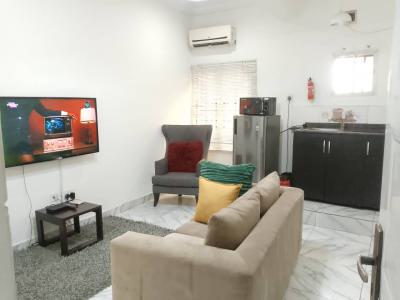

The demand for affordable and efficient housing in Nigeria’s rapidly growing urban centers has made self-contained apartments, also known as mini-flats or studio apartments, a highly lucrative investment. These units cater to a large segment of the population, particularly young professionals, students, and new migrants to cities. For investors, strategically acquiring or developing these properties can lead to significant high yields and consistent rental income. This guide explores the market potential and essential management tips for investing in mini-flats in Nigeria.
The Booming Market for Self-Contained Apartments in Nigerian Cities
Nigeria’s urbanization rate continues to accelerate, with millions flocking to cities like Lagos, Abuja, Port Harcourt, and Ibadan in search of economic opportunities. This influx creates immense pressure on the housing market, especially for affordable rental options. Self-contained apartments perfectly fit this need, offering compact living spaces that are more budget-friendly than larger flats or houses, while still providing necessary amenities.
Why Self-Contained Apartments are a Hot Investment Niche:
- High Demand: Caters to a large demographic of singles, young couples, and students.
- Affordability: Lower rental prices make them accessible to a wider tenant pool.
- Higher Rental Yields: Often generate better returns on investment compared to larger, more expensive properties.
- Lower Entry Point: More affordable to build or acquire, reducing initial capital outlay for investors.
- Ease of Management: Simpler to maintain compared to multi-room apartments or detached houses.
Key Considerations for Investing in Mini-Flats in Nigeria
1. Strategic Location is Paramount
The success of self-contained apartments hinges almost entirely on location. Areas with high population density, proximity to commercial hubs, universities, major transportation routes, and essential amenities (markets, hospitals) will guarantee consistent occupancy and strong rental income. Examples include Yaba, Surulere, and Satellite Town in Lagos; Kubwa and Lugbe in Abuja; and areas around universities in other state capitals.
2. Focus on Essential Amenities
While self-contained implies compact, basic amenities are non-negotiable. Ensure units have: a private bathroom/toilet, a functional kitchenette, reliable water supply, and good security. Access to consistent electricity (via grid or alternative power solutions) is a major plus and can command higher rent.
3. Quality Construction & Finishes
Even for affordable units, quality matters. Durable finishes reduce maintenance costs and attract better tenants. Focus on robust plumbing, reliable electrical wiring, good ventilation, and a solid structure. A well-built “self-contained” unit will always stand out.
Effective Management Tips for High Yields
1. Thorough Tenant Screening
Protect your investment by conducting comprehensive background checks on prospective tenants. Verify employment, demand references, and consider utilizing professional tenant screening services.
2. Clear Tenancy Agreements
A well-drafted, unambiguous tenancy agreement is crucial. It should clearly state rent, payment terms, responsibilities for utilities, maintenance protocols, and rules regarding property use. Have a legal professional review it.
3. Proactive Maintenance
Regular and timely maintenance prevents small issues from becoming costly repairs. Address complaints promptly to keep tenants happy and ensure property longevity. This also helps maintain property value.
4. Competitive Pricing
Regularly assess market rates for similar properties in your area to ensure your rental price is competitive. Overpricing leads to vacancies, while underpricing leaves money on the table. Aim for the optimal balance.
Conclusion
Investing in self-contained apartments in Nigerian cities offers a promising pathway to high rental yields and a profitable real estate portfolio. By strategically selecting locations with high demand, ensuring essential amenities, and adopting proactive management practices, investors can tap into this booming niche. Focused on young professionals and the growing urban population, mini-flats in Nigeria represent a smart and sustainable investment for long-term financial growth.

