
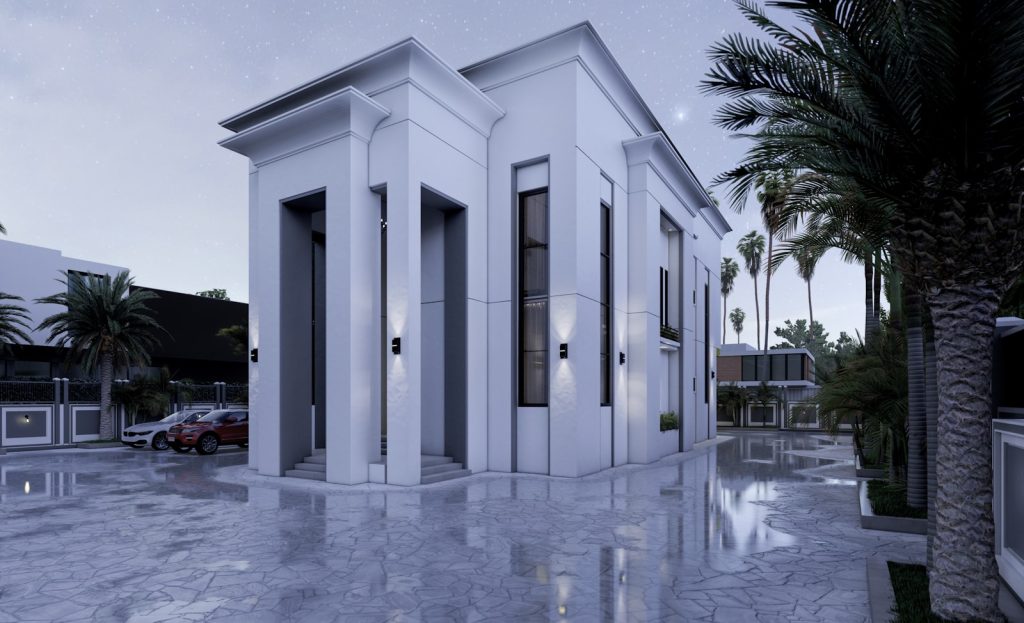

The gatehouse and the good roads aren’t free. In 2026, living in a Lagos estate carries an annual service charge of about ₦150,000–₦500,000 (~$97–$323) in mid-market mainland estates, ₦400,000–₦1.2M (~$258–$775) in typical Lekki/Ajah estates, ₦1M–₦2.5M (~$645–$1,610) in premium estates like Lekki Phase 1 and VGC, and ₦2.5M–₦6M+ (~$1,610–$3,870+) in ultra-prime addresses such as Banana Island and Parkview. And it almost never covers the electricity you actually burn. This is the running cost buyers forget to budget for — so let’s price it honestly. (Figures at ₦1,550/$, August 2026.)
This is a full 2026 rebuild of an older estates piece. We’ve swapped the glossy “which estate is biggest” angle for the question buyers actually get stung by after they move in: what does it cost to keep living here? A great estate can quietly cost you a second rent in fees. Here’s the real picture, tier by tier, plus the charges that never make it into the sales pitch.
What is an estate service charge — and what does it cover?
A service charge is the recurring fee residents pay their estate management or residents’ association to keep shared infrastructure running. In a typical Lagos estate it covers security (gate, patrols), common-area cleaning, waste evacuation, a facility manager’s salary, minor external repairs, and often the maintenance of internal roads, drainage and streetlights. Some island estates also fund a shared water supply, and a few run estate-wide diesel generators — which sends the charge sharply higher.
Lagos estate service charges by tier (2026)
| Estate tier | Examples | Service charge / year (₦) | ~ USD |
|---|---|---|---|
| Mid-market mainland | Magodo, Omole, Gbagada estates | ₦150,000–₦500,000 | ~$97–$323 |
| Standard Lekki / Ajah | Many gated Lekki-Epe estates | ₦400,000–₦1.2M | ~$258–$775 |
| Premium island | Lekki Phase 1, VGC, Nicon Town, Pinnock Beach | ₦1M–₦2.5M | ~$645–$1,610 |
| Ultra-prime | Banana Island, Parkview, Northern Foreshore | ₦2.5M–₦6M+ | ~$1,610–$3,870+ |
Many estates bill monthly rather than annually. Island estates commonly quote ₦50,000–₦200,000 a month; one mid Lekki estate we reviewed charges ₦65,000 a month (₦780,000 a year, ~$500) covering waste, security, common-area cleaning, the facility manager and minor repairs. At the very top, a Banana Island charge reportedly covers almost everything except the electricity you consume. Ranges are indicative — always ask the specific estate for its current schedule in writing.
Worth knowing: service charges jumped an estimated 20–30% across Lagos in the last two years, driven by diesel and security costs. If an estate runs a shared generator, expect the fee to sit at the top of its tier — and to move whenever fuel prices do. Ask what the charge was two years ago before you assume today’s number is stable.
Why this matters for buyers and investors
For a homeowner, the service charge is a real slice of your cost of living — on a premium plot it can rival a modest rent. For an investor, it’s worse than that: an unfunded or landlord-absorbed service charge eats directly into your yield. A property showing a “6–7% gross” return can drop to 3–4% net once management, vacancy and service charge come out. If you’re buying to let, price the charge into the deal from day one — our guide to rental yields by city shows how fast net returns shrink.
Weighing an estate home or buy-to-let? The Feasibility Studio folds service charge, power and vacancy into a true net-yield figure on real Nigerian numbers — before you sign.
Launching soon — join the founding list →
What most estate quotes leave out
The monthly figure on the brochure is rarely the whole bill. The costs that surprise new residents:
- Your own electricity. Service charge covers common areas, not your meter. On a Band A estate tariff, a family can spend ₦60,000–₦150,000+ a month on power alone — separate from the charge.
- One-off development levies. Estates periodically raise special levies for roads, drainage, a new borehole or a perimeter upgrade — sometimes hundreds of thousands of naira, on top of the regular charge.
- Inherited arrears. Buy a resale unit and you can inherit the previous owner’s unpaid charges. Confirm the account is clear before you complete.
- Association dues. Some estates run a residents’ association fee separate from the management service charge.
- The “who controls the money” question. A weak or opaque estate management can collect fees and deliver little. A functioning residents’ association with published accounts is worth paying more for.
Watch out: a low service charge isn’t automatically good news — it can mean deferred maintenance that lands as a big levy later, or an estate that isn’t really maintaining anything. And a beautiful estate isn’t automatically a legal one: Lagos flagged scores of estates for missing approvals in 2026. Verify the estate’s title and approval, and read its service-charge history, before you buy.
Frequently asked questions
How much is service charge in a Lagos estate in 2026?
Roughly ₦150,000–₦500,000 a year in mid-market mainland estates, ₦400,000–₦1.2M in standard Lekki/Ajah estates, ₦1M–₦2.5M in premium island estates, and ₦2.5M–₦6M+ in ultra-prime addresses — usually excluding your own electricity.
What does the service charge cover?
Typically security, common-area cleaning, waste evacuation, a facility manager, minor repairs, and internal roads and drainage. Some estates add shared water and a communal generator, which raises the fee.
Is service charge negotiable?
The rate is usually set collectively by the estate, so individual negotiation is limited. What you can do is check the charge’s history and the association’s accounts before buying, so you’re not surprised by steep annual rises or hidden levies.
Does service charge affect my rental yield?
Yes — significantly. If the landlord absorbs the charge, it comes straight out of net yield, often turning a 6–7% gross return into 3–4% net. Always model returns after the service charge, not before.
Methodology & sources: service-charge ranges reflect August 2026 estate quotes, resident reports and listing data across Lagos mainland and island estates, with cost-pressure context from Nairametrics’ 2026 market outlook. Ultra-prime figures are indicative and vary widely by estate. Dollar figures at ₦1,550/$ (August 2026). Last updated: August 2026. Next review: February 2027. Journalists and researchers may cite this with attribution to LandsofNigeria.com.
Before you buy into any estate, verify it. The free checklist covers the title, approval and service-charge questions that separate a well-run estate from a costly one.
Related guides: Best Residential Estates in Lagos (2026) · 10 Lagos Estates Known for (Almost) 24/7 Power · Biggest Estates in Lagos (2026) · Cost of Building & Buying in Nigeria (2026)


