
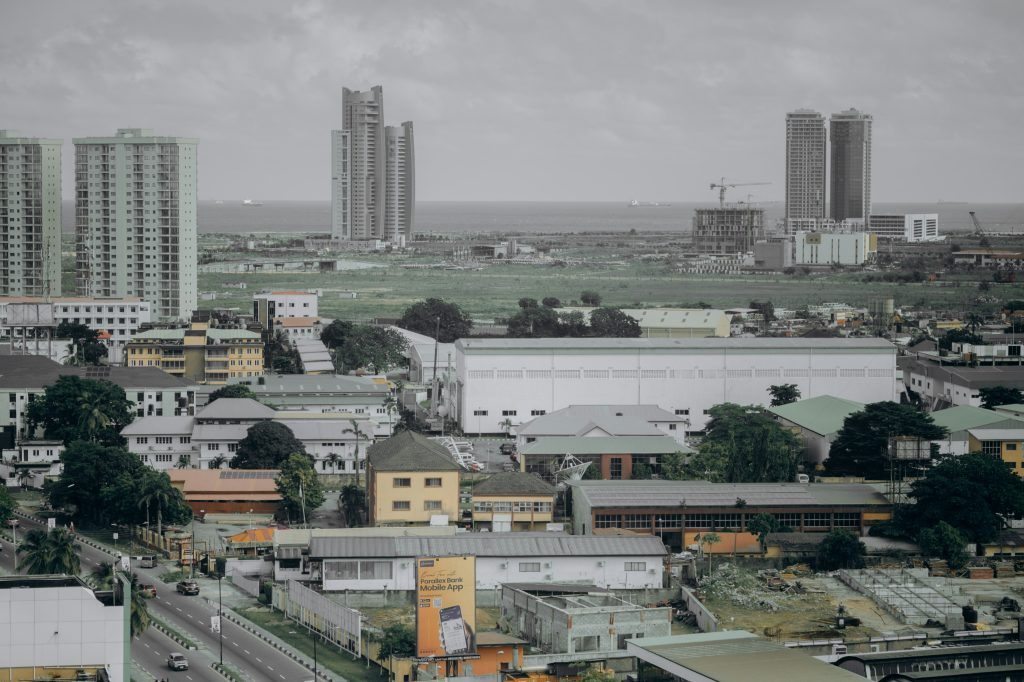

Nigeria’s real estate market is now valued at over $2 trillion, with 2026 projections running $2.4–$2.8 trillion (roughly ₦3,700–₦4,300 trillion at ₦1,550/$). Sounds like a boom — but the number is inflated largely by rising prices and construction costs, not by more Nigerians getting housed. The deficit is still 22 million+ homes, and a huge share of that “value” is dead capital: land nobody can easily sell, mortgage, or defend because it isn’t properly titled. (Figures as of August 2026, ₦1,550/$.)
Every few months a new report crowns Nigerian property with a bigger number. This year it crossed two trillion dollars. That’s a real milestone — but if you’re a first-time buyer or a diaspora investor, the headline can quietly mislead you. Let’s separate what the figure actually says from what it doesn’t, and turn it into something useful for your next purchase.
Where does the $2 trillion come from?
Several research houses put Nigeria’s property market past the $2 trillion mark in 2026, with forecasts stretching toward $2.8 trillion. The estimates differ, but they cluster in the same range:
| Estimate (2026) | Value | Source |
|---|---|---|
| Market surpasses milestone | ~$2.0 trillion | Ken Research |
| Projected by year-end | ~$2.42 trillion | Access Research (via The Sun) |
| Sector value report | ~$2.60 trillion | CED Magazine |
| Forecast to 2031 (3.15% CAGR) | ~$2.83 trillion | Statista outlook |
The drivers are real: a population above 220 million, relentless urban migration, and a housing shortage that keeps demand red-hot. But note the honest part analysts bury — a big chunk of the “growth” is inflation and construction-cost increases pushing asset prices up, not new supply. When cement and land cost more, the paper value of everything already built rises too.
What the headline hides
Here’s the uncomfortable gap. A $2 trillion market sits next to a housing deficit of more than 22 million units — Lagos State alone is short about 2.3 million homes. A market can be “worth” trillions and still leave most people unable to buy. Size is not the same as access.
Worse, much of that value is what valuers call dead capital — assets you can’t unlock. NIESV has warned Nigeria sits on over $300 billion in dead capital: land and buildings held without clean, registered title, so they can’t be sold quickly, used as loan collateral, or defended in court. On paper it’s wealth. In practice it’s frozen.
Worth knowing: The difference between “wealth” and “dead capital” is almost always the paperwork. A titled plot is a liquid asset. The identical plot next door, un-excised and undocumented, is a lawsuit waiting to happen.
What it means if you’re buying in 2026
Strip away the trillion-dollar noise and three practical lessons remain:
- Title is what makes your asset real. The market’s biggest problem — dead capital — is also your biggest personal risk. A registered title (C of O, governor’s consent, or a properly excised, registered survey) is the line between owning wealth and owning a dispute.
- A rising market doesn’t guarantee YOUR resale. Aggregate value going up says nothing about whether your specific plot in a specific location with specific title will sell. Location and documentation decide your exit, not the national headline.
- Inflation-driven “appreciation” isn’t real return. If your land doubles in naira while the naira loses half its value, you’ve stood still. Judge your gain in dollars or in real purchasing power, not just the naira sticker.
Trying to work out if a specific buy actually pays? Our Feasibility Studio models purchase price, fees, and realistic appreciation so you’re deciding on numbers, not headlines.
Frequently asked questions
Is Nigeria’s real estate really worth $2 trillion?
Multiple 2026 reports put it between roughly $2.0 trillion and $2.8 trillion. The figures are estimates and methods differ, but the market clearly crossed the $2 trillion mark this year.
If the market is booming, why is housing still short?
Because rising value is driven largely by price inflation, not new supply. The deficit remains 22 million+ homes, with Lagos alone short about 2.3 million units.
What is “dead capital”?
Property you can’t easily sell, mortgage, or defend because it lacks clean registered title. NIESV estimates Nigeria holds over $300 billion of it — a warning to always buy titled land.
Does a bigger market mean my land will appreciate?
Not automatically. Your return depends on location, title, and real (inflation-adjusted) value — not the national headline number.
Methodology: Market-size figures compiled from Ken Research, Access Research (via The Sun), CED Magazine, and the Statista Nigeria real-estate outlook, August 2026. Deficit and dead-capital figures from NIESV and industry reporting. Converted at ₦1,550/$. Last updated: August 2026. Next review: February 2027. Journalists and researchers may cite this with attribution to LandsofNigeria.com.
Go deeper: read our honest take on whether Nigerian land is actually a good investment, what the 22–28 million-home housing deficit means for buyers, the true total cost of buying land, and land titles ranked safest to riskiest. Diaspora investors should also see how FX policy shapes returns. Market data: Statista Nigeria real-estate outlook.

