
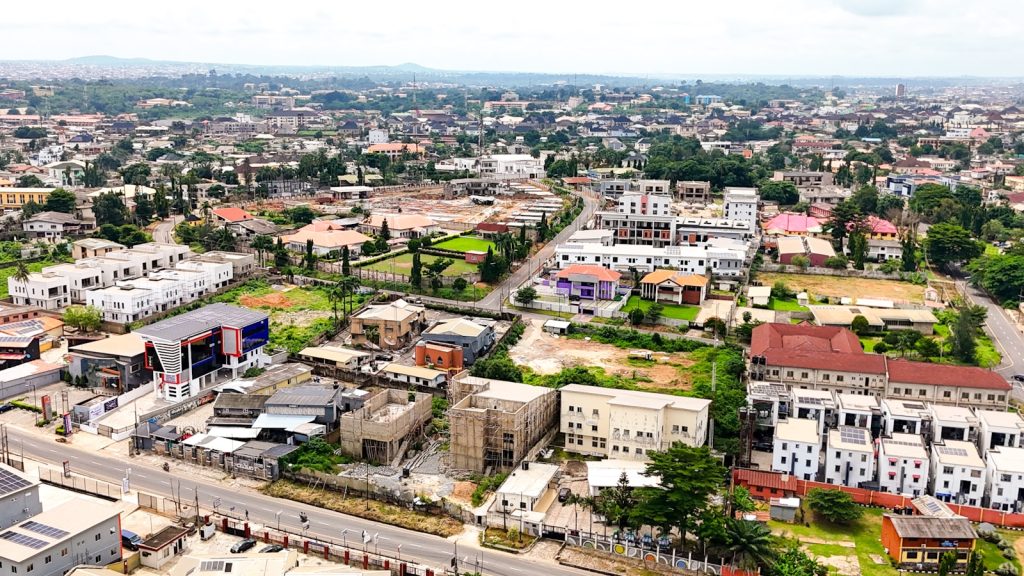

You’ve heard it at every family gathering: “just buy land, it can only go up.” Well-located Nigerian land can be a strong investment — but not automatically, and not everywhere. In genuine growth corridors, land has appreciated 15–25% a year (Ibeju-Lekki and parts of Epe have seen 20–40%). Rental yields on built property are more modest: roughly 2.5–3.5% net in Lagos, higher gross in mid-market corridors. Aim for total returns of 10–15% a year combining appreciation and income. But land is illiquid, scam-exposed, and now carries heavier fees after Lagos’s 2026 Blue Book. Land is a good investment when you buy clean title in the right location and hold — not because “land always goes up.”
You’ve heard it at every family gathering: “Just buy land, it can only go up.” It’s the closest thing Nigeria has to a national investment religion. And it’s often true — but “often” is doing a lot of work in that sentence. Let’s put honest numbers to it, name the risks nobody at the party mentions, and help you decide whether land deserves your money in 2026.
What returns does Nigerian land actually give?
Two engines drive property returns: appreciation (the land rising in value) and yield (rent, if you build). They behave very differently in Nigeria.
| Return type | Typical 2026 range | Reality check |
|---|---|---|
| Land appreciation (growth corridors) | 15–25%/yr; 20–40% in hotspots like Ibeju-Lekki, Epe | Only in genuine growth areas with real infrastructure — not everywhere |
| Land appreciation (average area) | Roughly in line with or slightly above inflation | Much land just holds value; the outsized gains are location-specific |
| Net rental yield (Lagos apartments) | ~2.5–3.5% net | After vacancy, maintenance, management, Land Use Charge |
| Gross rental yield (mid-market corridors) | ~8–12% gross | Gross, before costs — net is meaningfully lower |
| Target total return | 10–15%/yr (appreciation + income) | A realistic aim for a well-chosen, well-managed asset |
The headline is this: the eye-watering “land doubled in two years” stories are real, but they’re corridor stories — Ibeju-Lekki near the free trade zone, land along the coastal highway, Epe as Lekki expands. Buy in a stagnant area and your land may barely beat inflation. Location isn’t a factor. In Nigerian land, it’s almost the only factor.
The naira question: hedge or trap?
Here’s where it gets nuanced. A weakening naira can make land a hedge — dollar-quoted Lagos property preserves value as the currency slides, and land priced in naira tends to rise in naira terms. That’s the bull case, and for diaspora buyers earning in pounds or dollars, it’s real.
But devaluation cuts both ways. It drives up construction costs (cement, rods, imported fittings), so if your plan is to build, a falling naira eats your budget. And currency stability — not devaluation — is actually what most diaspora investors want, because it makes returns predictable. Don’t assume a weak naira automatically makes you richer in land; it just changes which risks you’re carrying.
Worth knowing: The best inflation/currency hedge in Nigerian real estate is usually clean, well-located land you hold — low carrying cost, no tenants, no maintenance, and it rides the corridor’s growth. The moment you build, you take on construction-cost risk and management headaches for a fairly thin net yield.
The risks the hype leaves out
Now the part your uncle skips. Land in Nigeria carries real, specific risks that can wipe out the appreciation entirely.
Illiquidity: land isn’t a stock. Selling can take months, and in a soft market, longer. Scam and title risk: buy the wrong plot and your “investment” is a lawsuit — or a demolition. Rising fees: Lagos’s 2026 Blue Book pushed perfection costs up sharply, which raises your true entry cost (see our breakdown of the real total cost of buying land). Opportunity cost: in 2026, Nigerian treasury bills and dollar assets offer real competing returns with far less hassle. Land has to beat those, after costs, to be worth it.
Watch out: “Buy before the airport / highway / free trade zone” campaigns price the future in today. Much of the easy gain in famous corridors is already in the price. You’re often paying for growth that’s expected, not guaranteed — and if the infrastructure slips (as Nigerian projects do), you’re holding overpriced bush.
So — is it a good investment?
Honest answer: yes, conditionally. Nigerian land is a good investment when four things are true — you buy clean, verified title, in a genuine growth location, at a sensible entry price, and you can hold for years. Miss any of those and the religion fails you. It’s a patient, hands-on asset, not a magic money machine. Treated with respect and diligence, it has built real wealth for a lot of Nigerians. Treated as a guaranteed bet, it has destroyed savings just as often.
Thinking of land as an investment? Run the numbers before the emotion. Our Feasibility Studio helps you model entry costs, appreciation and returns on real Nigerian figures — so you invest with math, not vibes.
Frequently asked questions
Does land always appreciate in Nigeria?
No. Land in genuine growth corridors has risen 15–25%+ a year, but land in stagnant areas may only track inflation. Appreciation is location-driven — buying “any” land is not a guaranteed gain.
What return should I expect from Nigerian real estate?
Aim for total returns of 10–15% a year combining appreciation and rental income. Net rental yields in Lagos are modest (~2.5–3.5%), so most of the return in growth areas comes from land appreciation.
Is land a good hedge against naira devaluation?
It can be — dollar-quoted and well-located land preserves value as the naira weakens. But devaluation also raises construction costs, so the hedge is strongest for land you hold rather than build on immediately.
Is land better than treasury bills or dollar investments in 2026?
Not automatically. T-bills and dollar assets offer competing returns with more liquidity and less risk. Land can outperform in the right corridor, but it must beat those alternatives after fees and hassle to justify the money.
What’s the biggest mistake land investors make?
Chasing hype instead of verifying title and location. Paying full price for expected-but-unbuilt infrastructure, or skipping verification, turns a “sure thing” into a loss. Clean title plus a real growth location is the whole game.
Sources & method: Yield and appreciation ranges from The Africanvestor, Nigeria Housing Market, Baay Realty and Punch (2026); fee context from Lagos Blue Book coverage. Not financial or investment advice — figures vary by location and time; do your own due diligence. Exchange context ₦1,550/$ (July 2026). Last updated: July 2026. Journalists and researchers may cite this with attribution to LandsofNigeria.com.
Get the free Land & Property Verification Checklist. The 14 checks that catch most scams before you pay a kobo.

