
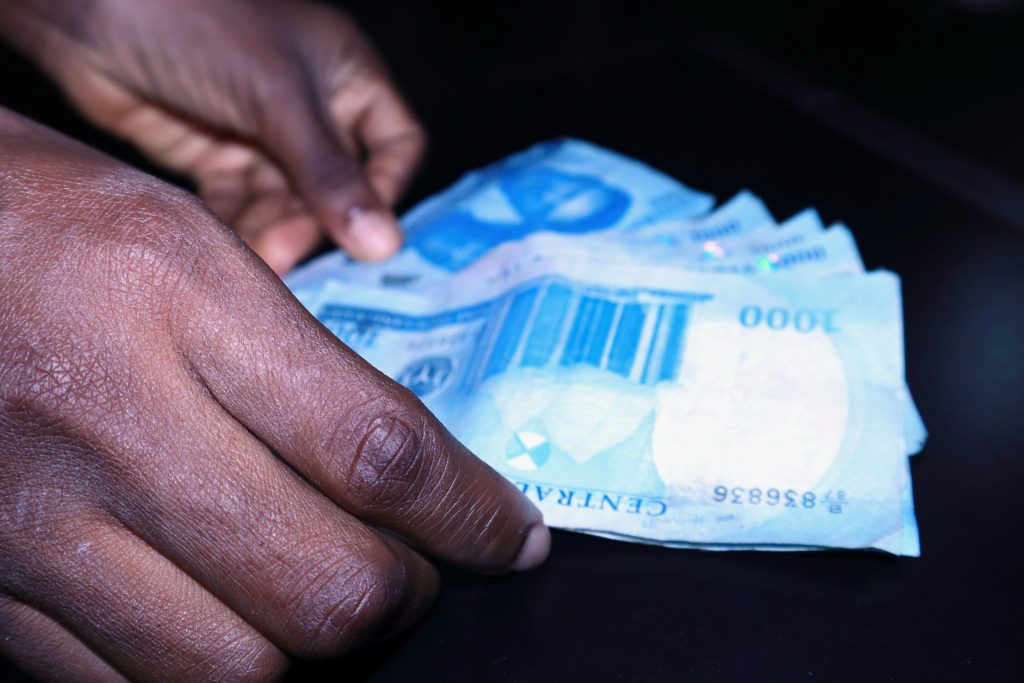

For a diaspora buyer, Nigeria’s exchange rate is the property price. In early August 2026 the naira firmed to about ₦1,364/$ officially and ₦1,408/$ on the parallel market, up from the ₦1,500–₦1,600 range of 2025 — which quietly made Nigerian land more expensive in dollar terms, not less. A plot listed at ₦25,000,000 costs a London or Toronto buyer about $18,300 today versus roughly $16,100 when the naira sat near ₦1,550. The lesson most guides miss: a stronger naira is good news for Nigeria and bad news for your buying power. (Rates as of early August 2026.)
This is a full 2026 rebuild of an older guide that spoke in generalities. This version uses real, current numbers — because if you earn abroad and buy in Nigeria, the FX policy isn’t background noise. It’s the single biggest lever on what you actually pay.
What changed between 2024 and 2026
Nigeria floated the naira and unified its exchange-rate windows in 2023–2024, and after a brutal slide the currency has steadied. Through 2026 the naira has actually been appreciating: the Central Bank reported the official rate around ₦1,364/$ by August 6, 2026, with the parallel market at about ₦1,408/$, as Vanguard reported. Traders credit CBN market support, better oil output and firmer crude prices. For the economy, that’s progress. For your property budget, it’s a headwind.
How the exchange rate moves your budget
Here’s the maths every diaspora buyer should run before sending money. The naira price of the land doesn’t change — but the dollars you need to buy those naira does.
| Land price (₦) | At ₦1,600/$ (2025) | At ₦1,408/$ (parallel, Aug 2026) | At ₦1,364/$ (official, Aug 2026) |
|---|---|---|---|
| ₦15,000,000 | ~$9,375 | ~$10,650 | ~$11,000 |
| ₦25,000,000 | ~$15,625 | ~$17,750 | ~$18,330 |
| ₦50,000,000 | ~$31,250 | ~$35,510 | ~$36,660 |
Same land, same seller — but a stronger naira means the diaspora buyer pays 15–17% more in dollars in mid-2026 than in 2025. That’s the part the “invest back home now” crowd rarely spells out.
Official rate vs parallel rate — which one applies to you?
When you send money through a bank or a licensed remittance operator, you generally get a rate close to the official/interbank window. The parallel (“black market”) rate is what informal cash changers quote, and the two have converged sharply in 2026 — a gap of a few dozen naira rather than the hundreds seen during the crisis years. Convergence is good for you: it means less temptation to chase risky informal channels for a marginally better rate.
Worth knowing: Always send property money through traceable, regulated channels — your bank, a licensed money-transfer operator, or a domiciliary account. The naira you “save” on an informal rate is nothing next to the protection a paper trail gives you if a deal goes wrong. Our guide on sending money for land safely from abroad covers the safe routes.
Should you send money now or wait?
Nobody can promise you where the naira goes next — and anyone who does is selling something. What you can control is this: don’t convert a large sum until you have a specific, verified plot to buy. Parking dollars in a Nigerian naira account “to catch a rate” exposes you to depreciation with none of the upside of owning an asset. Verify first, agree the deal, then move the money in one clean, documented transfer timed to the purchase — not to a rate you’re trying to outguess.
Comparing a Nigerian deal against your home-currency returns? The Feasibility Studio models purchase price, yield and exit in both naira and your earning currency, so FX swings show up before you commit, not after.
What most FX-and-diaspora guides leave out
Three honest points. First, a naira return can be a dollar loss. If your rental yields 7% in naira but the naira weakens 10% against your currency that year, you’ve lost in real terms — so model returns in the money you actually spend. Second, getting money out matters as much as getting it in. Repatriating rental income or sale proceeds can be slower and costlier than sending money home; plan your exit before you enter. Third, FX is a reason to buy well, not fast. A stronger naira raising your entry cost is all the more reason to refuse to overpay and to verify title ruthlessly — the discipline is the edge.
Watch out: A weaker naira “bargain” is worthless if the land isn’t clean. Currency timing is the smaller risk; a forged title or an omonile double-sale is the one that takes the whole sum. FX is the last thing to optimise, after verification — never before.
Frequently asked questions
Is a stronger naira good or bad for diaspora property buyers?
Bad for your buying power, in the short term. A stronger naira means your dollars, pounds or euros buy fewer naira, so a fixed naira land price costs you more abroad. In August 2026 the firmer naira made Nigerian property roughly 15% more expensive in dollars than a year earlier.
What is the naira to dollar rate in August 2026?
Around ₦1,364/$ officially and ₦1,408/$ on the parallel market as of August 6, 2026 — with the two rates much closer than during the 2023–2024 crisis.
Should I keep my property savings in naira or my home currency?
Generally keep them in your home currency until you have a verified plot to buy. Holding naira purely to time a rate exposes you to depreciation without owning an appreciating asset.
What’s the safest way to send large sums for land?
Regulated, traceable channels — your bank, a licensed transfer operator, or a domiciliary account — in one documented transfer tied to the purchase. Avoid informal cash changers, whatever rate they quote.
If you’re new to buying from overseas, start with our complete safety guide to buying land from abroad, and weigh the honest returns in Is Nigerian Land a Good Investment in 2026? Diaspora buyers eyeing a mortgage should also read our diaspora mortgage guide.
We’re writing the book on buying Nigerian property from abroad — the FX timing, the verification, the exit, the mistakes that cost people everything. Diaspora readers on our list get it first.
Methodology & sources: Exchange rates as reported for early August 2026 by Vanguard (official ~₦1,364/$, parallel ~₦1,408/$), with market context from Nairametrics. Dollar conversions in the budget table use the stated rates; rates move daily — confirm the live rate before you transfer. Last updated: August 7, 2026. Next review: November 2026. Journalists and researchers may cite this with attribution to LandsofNigeria.com.

