
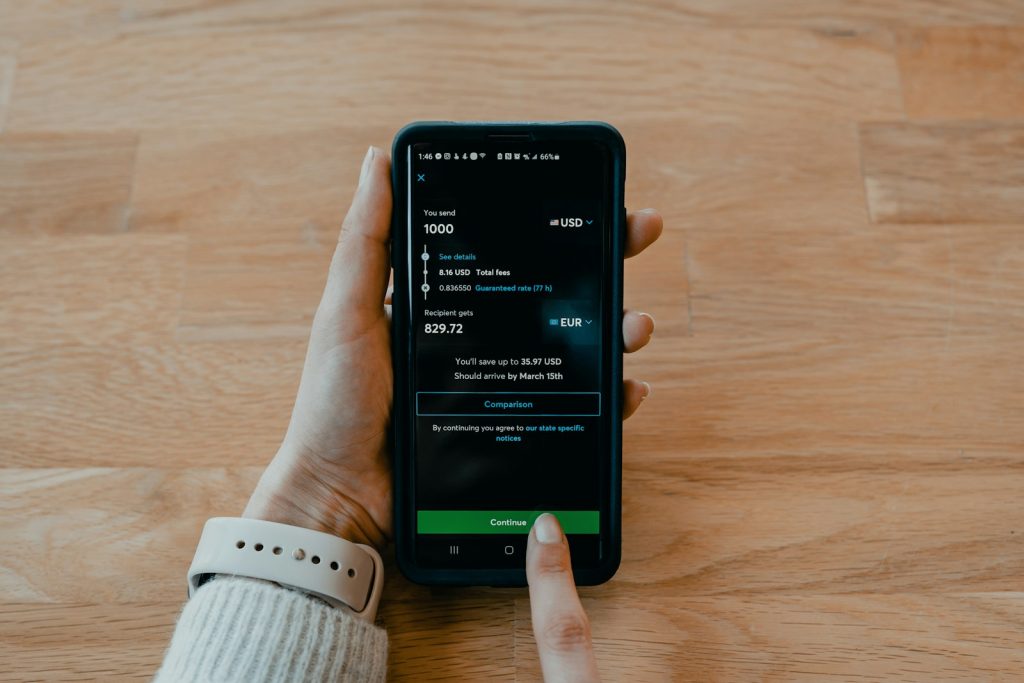

If one rule saves diaspora buyers from disaster, it’s this: never send the full amount to a seller before independent verification is done. The safe way to pay for land in Nigeria from abroad is: (1) verify the land through your own lawyer first, (2) pay in stages tied to milestones — a common split is 10% deposit, 40% after due diligence, 40% after title transfer, 10% after handover — and (3) move money through an escrow or a lawyer’s trust account, not a personal account. By law, transfers into Nigeria settle in naira through licensed operators (IMTOs) or banks. Do this and you turn a terrifying leap of faith into a controlled process.
If you’ve ever hovered over a “send” button with your life savings on the screen, wondering whether the land on the other end is even real — this one’s for you. Nigerians abroad send more than $20 billion home every year, and a chunk of it goes into land. Some of that money buys land. Some of it buys heartbreak. The difference is almost never luck. It’s process.
So let’s walk the process. Not vibes — a system you can actually follow from London, Houston or Toronto.
The one rule that prevents most diaspora scams
Here it is, plainly: money moves after verification, never before. The single most common way diaspora buyers lose money is sending funds because a seller says “another buyer is ready” or “the price goes up Friday.” That urgency is the scam. Real land doesn’t vanish in 48 hours. Pressure to pay before checks are done is the reddest flag there is.
Watch out: If anyone — agent, developer, even a relative — pushes you to pay before your own lawyer has confirmed the title, stop. That pressure is doing a job, and the job is getting your money out before you find the problem.
Step 1: Verify before a single naira moves
Before payment, someone who works for you — not the seller — must confirm the land is clean. That means a property lawyer you appointed runs a search at the Land Registry, charts the survey at the Surveyor-General’s office, and physically visits the site. You can add an app-based check on top (see our comparison of Nigerian verification services), but the buyer-appointed human is the anchor. Our step-by-step title verification guide shows exactly what they should check.
Step 2: Pay in stages, never all at once
Staged payment is your seatbelt. You release money only as the deal proves itself. A structure that works well for diaspora land purchases:
| Stage | % of price | Released when… |
|---|---|---|
| 1 — Deposit | 10% | Preliminary checks pass and terms are agreed in writing |
| 2 — Due diligence clears | 40% | Full registry search, survey charting and site inspection confirm the land is clean |
| 3 — Title transfer | 40% | Deed of Assignment executed and transfer/registration begun in your name |
| 4 — Handover | 10% | Physical handover confirmed by your representative on the ground |
The exact percentages can flex, but the principle can’t: each release is tied to something real being completed. If a seller refuses any staging and demands 100% upfront, that tells you something important about the deal.
Step 3: Move the money through escrow, not a personal account
Never wire six or seven figures into an individual’s personal account. Use a neutral third party that only releases funds when milestones are met — a licensed escrow service or a reputable law firm’s client/trust account. This is normal, professional practice in Nigeria now, and any serious counterparty will accept it. If they won’t, walk.
Worth knowing: By CBN rules, international transfers into Nigeria are settled in naira through licensed International Money Transfer Operators (IMTOs) or commercial banks. Use those official channels — they’re traceable, which is exactly what you want if anything ever goes wrong. Avoid informal “black market” hand-to-hand arrangements for a purchase this size.
Step 4: Get the paperwork in your name, and keep every record
Payment isn’t the finish line — proof is. Make sure the Deed of Assignment names you, keep dated receipts for every stage, and start the perfection process (Governor’s Consent and registration) so your ownership is legally complete. Budget for it: on top of the land price, expect real fees — our breakdown of the true total cost of buying land shows the full stack so nothing ambushes you from abroad.
The costs of doing it right (and why they’re worth it)
Doing this safely costs roughly 3–8% of the land price in professional fees — lawyer, verification, escrow, perfection. Done on trust and WhatsApp voice notes instead? That’s how diaspora buyers lose millions every year. The fee is not the expense. The unverified transfer is the expense.
Buying from abroad? Get the checklist that catches the scams before you pay. Our free Land & Property Verification Checklist is built for exactly this moment — 14 checks to run before any money moves.
Frequently asked questions
What’s the safest way to pay for land in Nigeria from abroad?
Verify first through your own lawyer, then pay in milestone-based stages through an escrow service or a law firm’s trust account — never the full amount into a personal account, and never before due diligence is complete.
Should I use escrow to buy land in Nigeria?
Yes, for any significant purchase from abroad. Escrow (or a reputable lawyer’s client account) holds your money and releases it only as milestones are met, which removes the “send and pray” risk. Serious sellers accept it.
Can I send money for land through my Nigerian family instead?
You can, but understand the risk: routing money and authority through relatives is one of the most common ways diaspora purchases go wrong. If you do, still insist on independent verification and staged, documented payments — don’t let the relationship replace the process.
How much does it cost to buy land safely from abroad?
Professional fees for doing it right run about 3–8% of the land price (lawyer, verification, escrow, perfection), on top of the other buying costs. It’s a fraction of what an unverified transfer can cost you.
Is it legal to send money into Nigeria to buy land?
Yes. Use licensed channels — IMTOs or commercial banks — which settle transfers in naira and keep them traceable. Keep records of every payment for your own protection.
Sources & method: Payment-safety and escrow practice from OAL, Landiz and Marketplace.ng diaspora guides; remittance and IMTO rules per CBN framework (2026). This is general guidance, not legal advice — appoint a qualified Nigerian property lawyer for your transaction. Last updated: July 2026. Journalists and researchers may cite this with attribution to LandsofNigeria.com.
Get the free Land & Property Verification Checklist. The 14 checks that catch most scams before you pay a kobo.

