
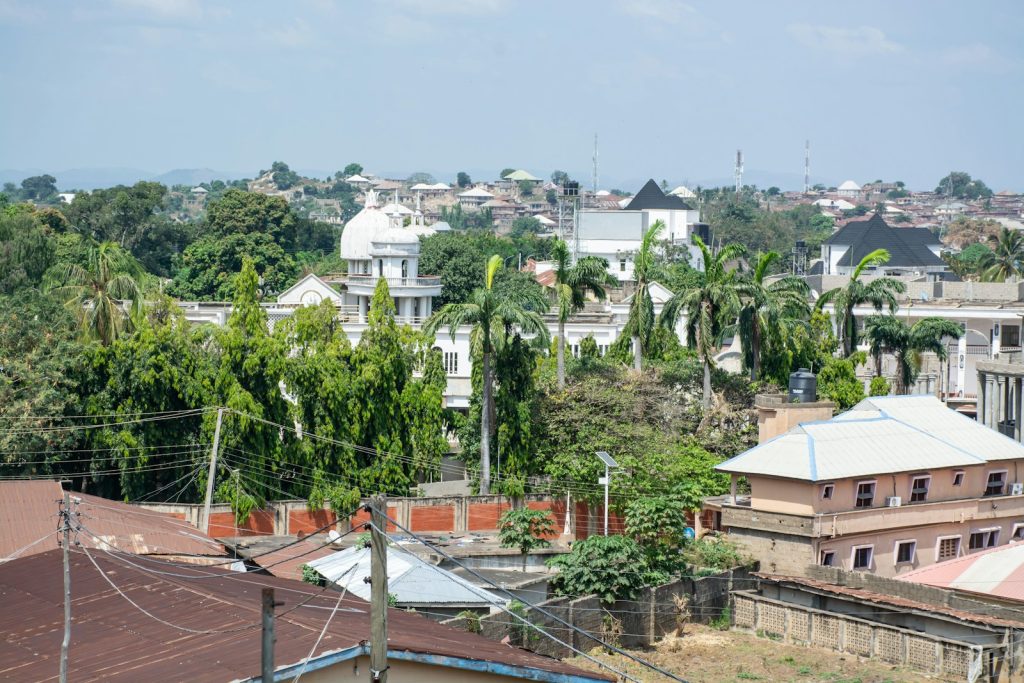

Nigeria’s housing shortfall is now widely estimated at 22 to 28 million homes — one of the largest in the world, driven by fast urbanisation, weak access to mortgages and high construction costs. For buyers and investors, that number cuts two ways: it signals deep, lasting demand that supports property values over the long run, especially in affordable and mid-market housing near jobs and transport. But it also fuels an affordability crisis and a lot of hype. The opportunity is real; so is the trap of overpaying for unverified land on the strength of a big statistic. (Current as of July 2026.)
You’ll hear the “22 million housing deficit” number quoted at every property event in Nigeria, usually to convince you to buy something right now. It’s a real and staggering figure — but what does it actually mean for your money? Let’s separate the signal from the sales pitch.
What the deficit number really says
Estimates put Nigeria’s housing gap at 22–28 million units, the product of decades of under-building against one of the world’s fastest-growing urban populations. The drivers are structural: rapid migration to cities, very limited mortgage finance (most homes are built slowly with cash), and construction costs pushed up by inflation and currency pressure. In short, far more people need homes than the market is delivering.
Worth knowing: A deficit this size is genuine, durable demand — it doesn’t disappear in a downturn. That’s the real reason well-located Nigerian property tends to hold value over time. But “durable demand” is not the same as “any plot will double next year.” Location and title still decide whether you benefit.
What it means if you’re buying or investing
The honest read, by goal:
| You’re… | What the deficit means for you |
|---|---|
| Buying a home to live in | Sustained demand supports resale value — but buy what your income carries, not what the hype suggests |
| Investing in land | Long-term tailwind, strongest near jobs, transport and real infrastructure. Avoid speculative bush priced on “future” alone |
| Building to sell/rent | The biggest unmet need is affordable and mid-market housing — not more luxury. That’s where the demand actually is |
Notice the pattern: the deficit is largest at the affordable and mid-market end, yet most new supply chases luxury. For a builder or investor, that mismatch is the real opportunity — homes ordinary earners can actually buy.
Watch out: “22 million deficit, so buy now before you’re priced out” is the oldest pitch in Nigerian real estate. A national statistic is not due diligence on a specific plot. The deficit supports the market; it does nothing to protect you from a bad title or an inflated price.
The LON take
The deficit is the best long-term argument for Nigerian property — but it’s a reason to buy carefully, not quickly. Use it to pick the right segment (affordable/mid-market, near growth), then do the boring work that actually protects your money: verify the title, check the price against fundamentals, and don’t let a big number rush you. See our honest view on Nigerian land as an investment and where to buy by budget. Market data and forecasts are tracked by outlets like Nigeria Housing Market.
Big demand, big scam risk — verify before you buy in. Our free checklist covers the 14 checks that protect your money in a hot market.
Frequently asked questions
How big is Nigeria’s housing deficit?
Widely estimated at 22–28 million homes, one of the largest globally, driven by rapid urbanisation, limited mortgage finance and high construction costs.
Does the housing deficit mean property prices will keep rising?
It supports long-term demand and value, especially in well-located affordable and mid-market housing. But it doesn’t guarantee any specific plot will appreciate — location and title still decide.
Where is the biggest opportunity?
In affordable and mid-market homes near jobs and transport, where the unmet need is greatest — not in the luxury segment most new supply chases.
Is “buy now before you’re priced out” good advice?
Treat it with caution. The deficit is a market-level fact, not due diligence on a plot. Verify title and price fundamentals before buying, regardless of the headline number.
Sources: Housing-deficit estimates (22–28 million) per widely cited Nigerian market data and forecasts (Nigeria Housing Market, 2026). Figures are estimates and vary by source. Last updated: July 2026. Journalists and researchers may cite this with attribution to LandsofNigeria.com.


