
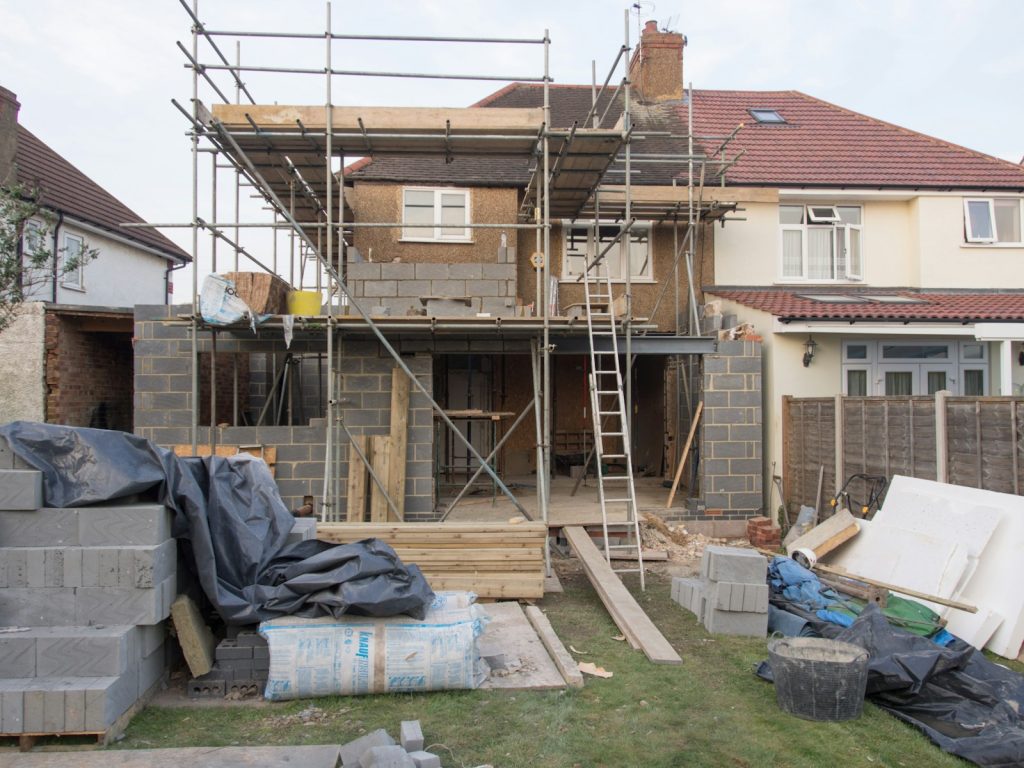

Building a standard 3-bedroom bungalow in Nigeria in 2026 costs roughly ₦15,000,000–₦35,000,000 (~$10,600–$24,700) excluding land, depending on your finishes and city. A lean build in a smaller town can come in near ₦15M–₦22M, while a high-end bungalow in Lagos or Abuja runs ₦35M–₦55M+ (~$24,700–$38,700+). Finishing alone swallows up to 40% of the budget. (Figures at ₦1,420/$, July 2026. This is a 2026 rebuild of our earlier bungalow costing.)
This guide replaces our older 2025 bungalow estimate — cement, iron rods and labour have all moved since then, so every figure below has been re-checked for July 2026. If you’re planning a first home, a bungalow is usually the most affordable way into ownership, but “affordable” still means tens of millions of naira. Let’s put real numbers on it.
A quick scope note, because it changes everything: the figures here are for a standard 3-bedroom bungalow of roughly 120–150 m² on a serviced plot, built to a good-but-not-luxury standard. Land is excluded — that varies wildly by area and deserves its own budget line.
How much does a 3-bedroom bungalow cost in 2026?
Three honest scenarios, because “it depends” is the truthful answer and the useful one is a range:
| Build level | Cost (₦) | ~ USD |
|---|---|---|
| Lean / basic (smaller town, modest finishes) | ₦15,000,000–₦22,000,000 | ~$10,600–$15,500 |
| Standard (urban, good finishes) | ₦22,000,000–₦35,000,000 | ~$15,500–$24,700 |
| Premium (Lagos/Abuja, high-end) | ₦35,000,000–₦55,000,000+ | ~$24,700–$38,700+ |
Excludes land. Nigerian market ranges, July 2026, at ₦1,420/$.
Stage-by-stage cost breakdown
Here’s where the money goes on a standard build. Answer to “what’s the biggest cost?” — it’s not the foundation people fear, it’s finishing.
| Stage | Cost (₦) | ~ USD |
|---|---|---|
| Foundation & substructure | ₦1,800,000–₦3,000,000 | ~$1,270–$2,110 |
| Blockwork to lintel/roof level | ₦1,500,000–₦2,500,000 | ~$1,060–$1,760 |
| Roofing (structure + covering) | ₦1,800,000–₦3,500,000 | ~$1,270–$2,465 |
| Doors & windows | ₦1,500,000–₦3,000,000 | ~$1,060–$2,110 |
| Electrical wiring | ₦550,000–₦1,200,000 | ~$390–$850 |
| Plumbing | ₦700,000–₦1,500,000 | ~$490–$1,060 |
| Finishing (plaster, tiling, POP, painting) | ₦4,000,000–₦9,000,000 | ~$2,820–$6,340 |
| Borehole, water & septic | ₦900,000–₦2,500,000 | ~$630–$1,760 |
| Fence, gate, fittings & contingency | ₦2,000,000–₦5,000,000 | ~$1,410–$3,520 |
Standard 3-bed bungalow, ~120–150 m², July 2026, at ₦1,420/$. Ranges reflect finish quality and city.
Want the detail behind two of these lines? See our full breakdowns of what it costs to wire a house, roofing costs, and a borehole and water system. For the blocks themselves, we counted them for you in how many blocks build a 3-bedroom bungalow.
Worth knowing: Cement is the heartbeat of your budget, and it crossed ₦15,000 a bag in mid-2026. A swing of ₦2,000 per bag across a few hundred bags is real money — read what builders should do about cement prices before you buy in bulk.
What most bungalow estimates leave out
Glossy “build for ₦8 million” headlines quietly drop the expensive bits. Here’s what they skip:
The plot prep. Sand-filling, clearing and a setback-compliant layout can add ₦1,000,000–₦3,000,000 (~$700–$2,110) before the foundation even starts, especially on swampy Lekki-type land.
Finishing creep. Tiles, POP ceilings, kitchen cabinets and “just this one” upgrades are where budgets die. Finishing is up to 40% of the build for a reason — decide your finish level early and hold the line.
Inflation over the build timeline. A bungalow takes months. Material prices move during that window, so a static quote from January rarely survives to completion. Build in a 10–15% contingency and buy major materials in sensible tranches.
The professionals. An architect, a builder you can trust and (if it’s a serious build) a quantity surveyor cost money up front and save far more than they cost. Nigeria’s wider market is in a high-cost, high-rate phase in 2026 — the margin for waste is thin.
Want your own bungalow budget, not a stranger’s average? The Feasibility Studio turns current material and labour prices into a build budget you can adjust line by line.
Bungalow vs flat vs duplex — is a bungalow cheaper?
Per square metre, a bungalow and a block of flats are broadly similar to build, but a bungalow uses more roof and foundation per liveable room, while a duplex packs more rooms onto a smaller footprint. If your plot is small or land is pricey, a duplex may give you more house per naira; on cheaper land, a bungalow is simpler and faster. Compare with our 3-bedroom flat cost guide and the full 2026 cost of building and buying library.
Frequently asked questions
Can I build a 3-bedroom bungalow for ₦15 million in 2026?
Yes — in a smaller town, with modest finishes and careful buying, ₦15M–₦22M (~$10,600–$15,500) is realistic. The same house in Lagos with premium finishes can cost double.
How long does it take to build?
A steadily funded bungalow typically takes 6–12 months. Stop-start funding is the main reason builds run long and cost more, because you re-buy materials at higher prices.
What’s the most expensive stage?
Finishing — plastering, tiling, POP and painting — which can reach 40% of the total. Roofing and doors/windows are the next-heaviest lines.
Does this include land?
No. Land is excluded because prices swing enormously by area. Budget it separately, and verify the title before you build a naira into it.
Methodology & date stamp. Stage costs are Nigerian market ranges for a standard 120–150 m² 3-bedroom bungalow, gathered from 2026 build-cost data and contractor pricing, converted at ₦1,420/$ (parallel-market rate, July 2026; official NFEM about ₦1,380/$). Land excluded. Last updated: 30 July 2026. Next review: October 2026. Journalists and researchers may cite this with attribution to LandsofNigeria.com.
Before you lay the first block, price the whole build at today’s rates so you don’t stall at finishing.

