
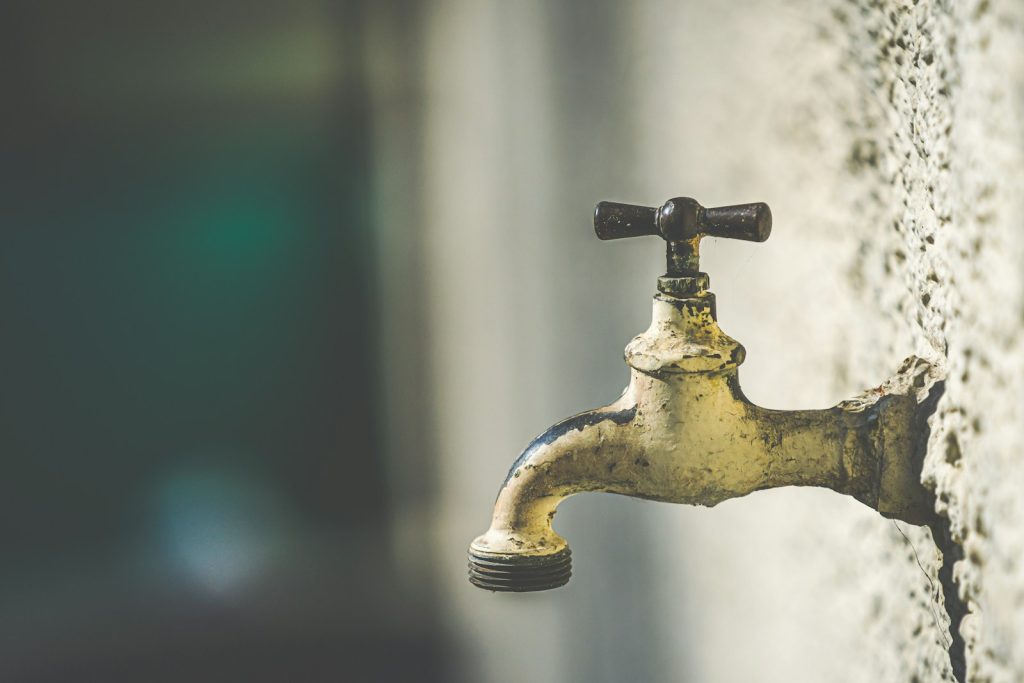

Budget somewhere between ₦900,000 and ₦2,500,000 (~$580–$1,610) for a complete borehole and water system in Nigeria in 2026 — that’s the all-in figure for a standard home. That splits into drilling (₦600,000–₦1,600,000 depending on depth), the pump and installation (₦300,000–₦900,000), and a separate overhead tank and stand (₦300,000–₦900,000+). Lagos sits at the top of the range — ₦800,000–₦2,500,000 — because of hard ground and high demand. A basic manual (hand-dug) borehole can start around ₦120,000–₦500,000 but delivers less reliable water. Prices are at ₦1,550/$, July 2026.
Here’s a cost that ambushes almost every self-builder in Nigeria. You budget carefully for blocks, cement, roofing — and then remember the house needs water, and there’s no reliable public supply to connect to. So you’re drilling your own borehole. The question is: what does that actually cost in 2026? Let’s break it down honestly, including the parts most quotes quietly leave out.
How much does a borehole cost in Nigeria in 2026?
For a standard residential borehole with a good pump and storage, budget ₦900,000 to ₦2,500,000 all-in. The spread is wide because three things move the price hard: how deep you have to drill, the ground you’re drilling through, and where in the country you are. A shallow borehole in soft soil up-country is a different job from a deep one through Lagos rock.
| Component | Typical 2026 cost (₦) | ~$ (₦1,550/$) |
|---|---|---|
| Drilling (by depth/soil) | 600,000–1,600,000 | 385–1,030 |
| Submersible pump + installation | 300,000–900,000 | 195–580 |
| Overhead tank + stand/base | 300,000–900,000+ | 195–580+ |
| Plumbing, wiring & connection to house | 150,000–400,000 | 95–260 |
| Water treatment / filtration (if needed) | 100,000–500,000+ | 65–320+ |
| Typical all-in (standard home) | 900,000–2,500,000 | 580–1,610 |
Why Lagos costs more
Lagos is one of the most expensive places in Nigeria to drill, with typical jobs landing between ₦800,000 and ₦2,500,000. Two reasons: the ground in much of the state is hard and demands heavier rigs, and demand is so high that good drillers charge accordingly. In swampy or coastal areas (parts of Lekki, Ajah, the island fringes) you may also need deeper drilling and better casing to reach clean water and keep salt out — which pushes you toward the top of the range.
Worth knowing: Depth is the single biggest cost driver. A 60–100m borehole is far cheaper than a 150–250m one. Before you build, ask neighbours or local drillers how deep the water table is in that specific area — it can swing your quote by a million naira.
Manual vs mechanised: what you’re really choosing
A manually drilled (hand-dug) borehole can start as low as ₦120,000–₦500,000, and for a tight budget in soft-soil areas it can work. But be clear on the trade-off: manual boreholes are shallower, more prone to running dry in harmattan, and more likely to draw contaminated surface water. A mechanised (rig-drilled) borehole costs more up front but reaches deeper, cleaner, more reliable water. For a home you plan to live in for years, the mechanised route usually pays for itself.
| Manual / hand-dug | Mechanised / rig-drilled | |
|---|---|---|
| Starting cost | ₦120,000–₦500,000 | ₦600,000–₦1,600,000+ |
| Depth reached | Shallow | Deep |
| Water reliability | Lower (can dry out) | Higher, year-round |
| Water quality | More contamination risk | Cleaner |
| Best for | Tight budgets, soft soil | Permanent homes, hard ground |
What most borehole quotes leave out
This is where budgets slip. A driller’s quote often covers only the drilling itself — not the pieces that turn a hole in the ground into running water in your taps. Watch for these:
The overhead tank and its stand is a big one — the tank alone is ₦300,000–₦900,000+ once you add the steel or concrete stand. Then there’s the plumbing and wiring to connect the pump and route water into the house, the electrical supply (a pump needs power — factor your inverter or generator load), and water treatment if the water comes up iron-heavy or salty, which is common in parts of Lagos and the Niger Delta. Add these and a “₦900,000 borehole” quietly becomes ₦1.5 million.
Watch out: Always ask a driller to do a yield test before final payment — proof the borehole actually produces enough water. Some cheap jobs drill, hit a trickle, and leave. A borehole that runs dry two months later is the most expensive kind of “saving.”
Costing a full build? Don’t let the sub-systems blow your budget. Our Feasibility Studio helps you model the whole project — land, structure, borehole, finishing — on real Nigerian numbers.
Frequently asked questions
How much does it cost to drill a borehole in Lagos in 2026?
Typically ₦800,000–₦2,500,000 all-in, depending on depth and location. Hard ground and high demand put Lagos at the top of the national range; swampy coastal areas can push it higher still.
What’s included in a full borehole system?
Drilling, casing, a submersible pump and installation, an overhead tank and stand, plumbing/wiring to the house, and sometimes water treatment. Many quotes cover only the drilling, so confirm exactly what’s in yours.
Is a manual borehole worth it to save money?
Only in soft-soil areas and tight budgets. Manual boreholes are shallower and less reliable, with higher contamination risk. For a permanent home, a mechanised borehole usually justifies its extra cost.
How deep should a borehole be in Nigeria?
It depends on the local water table — anywhere from ~60m to 250m. Ask local drillers or neighbours about the specific area before drilling, because depth is the biggest single cost factor.
Do I need to treat borehole water?
Often, yes. Water can come up with iron, or salty near the coast. A basic filtration or treatment setup runs ₦100,000–₦500,000+ and is worth it for water you’ll drink and cook with.
Sources & method: Price ranges compiled from Nigerian borehole-drilling cost data (Nigerian Informer, Cleaneat.NG, Ownkey, Amapha, 2025–2026) and current Lagos market rates. Costs vary by depth, soil and contractor — always get 2–3 written quotes. Exchange rate ₦1,550/$ (July 2026). Last updated: July 2026. Next review: January 2027. Journalists and researchers may cite this with attribution to LandsofNigeria.com.
Get the free Land & Property Verification Checklist. The 14 checks that catch most scams before you pay a kobo.

