
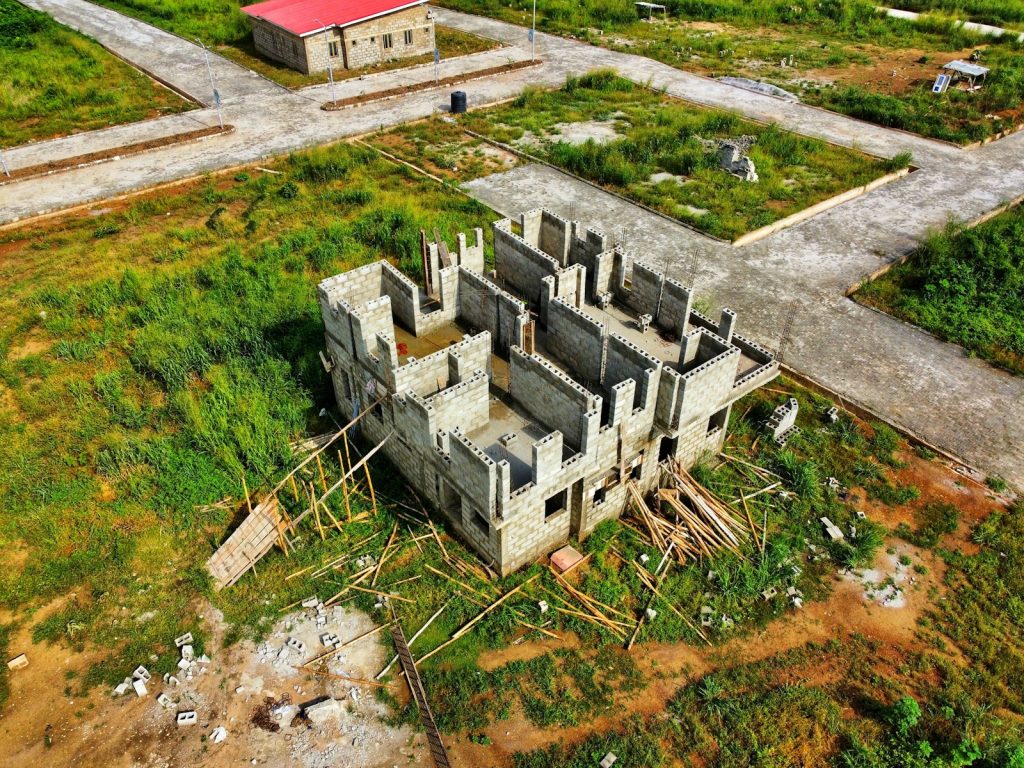

A polished signboard and a launch party with jollof prove nothing on their own. The biggest warning signs that a Nigerian estate is a scam are: no verifiable title (C of O or registered survey) for the estate land, prices that look too cheap for the area, heavy pressure to “pay before Friday,” land sitting under government acquisition, a developer with no traceable track record, and no Deed of Assignment in your name. Lagos publicly flagged 176 estates as illegal, so this isn’t rare. If a developer can’t show clean documents for the estate and your specific plot, that’s your answer — walk.
Estate buying feels safer than buying raw land from an “omonile.” There’s a signboard, a site office, glossy renders, maybe a launch event with jollof. But a professional-looking front is exactly what a good estate scam invests in. Lagos alone flagged 176 estates as illegal — plenty of them looked completely legitimate to the buyers who paid. So here are the ten red flags that matter, before your deposit becomes someone else’s exit.
The 10 estate red flags to check before you pay
| # | Red flag | Why it matters |
|---|---|---|
| 1 | No verifiable title for the estate land | If the developer can’t show a C of O or registered global survey for the whole estate, they may not own what they’re selling |
| 2 | Land under government acquisition | Charting reveals if the estate sits on acquired land — you could pay and still be demolished |
| 3 | Price far below the area average | A plot priced suspiciously low is bait; real, clean estate land rarely sells at a deep discount |
| 4 | Urgency and “price rises Friday” pressure | Manufactured urgency is designed to stop you verifying before you pay |
| 5 | No traceable developer track record | No completed estates, no registered company, no references you can independently reach |
| 6 | You don’t get a Deed of Assignment in your name | Only a “receipt” or “allocation letter” means your ownership isn’t legally documented |
| 7 | Vague or shifting plot allocation | They can’t point to your exact plot on a registered layout, or it keeps “moving” |
| 8 | Cash-only, pay-into-personal-account | Legitimate developers use company accounts and proper receipts, not an individual’s account |
| 9 | No physical development on site | Years in, still bush — no roads, no drainage, no other buildings — despite money collected |
| 10 | Can’t (or won’t) let your lawyer verify | A developer who resists independent verification is telling you something |
The two red flags that matter most
If you only have time for two checks, make them these. First, title: does the estate have a genuine, verifiable C of O or registered survey, and does the land sit clear of government acquisition? Second, your paperwork: will you receive a Deed of Assignment in your own name, not just a receipt? Everything else is supporting evidence. These two are the spine. Our guide on spotting forged C of Os and survey plans shows how to confirm the documents are real, not just present.
Watch out: “Excision in progress” and “C of O coming soon” are among the most common estate lines. Sometimes it’s true; often it’s indefinite. Never pay full price for a promise of a title. If the document doesn’t exist yet, your risk is real and your price should reflect it — or you should wait.
Off-plan estates: extra caution
Buying a plot or unit in an estate that isn’t built yet (“off-plan”) can be cheaper — and riskier. Your money funds a future the developer controls. Before buying off-plan, confirm the land title is already clean (not “coming”), check the developer’s completed projects with your own eyes, insist on a contract with clear delivery dates and refund terms, and pay in stages tied to milestones rather than one lump sum. If the developer can’t offer any of that, the discount isn’t worth the exposure.
Worth knowing: Lagos flagging 176 estates as illegal was a warning, not an anomaly. Estates get flagged for exactly the reasons above — building on acquired land, no proper approvals, selling titles they don’t hold. Check whether an estate has ever appeared on a government caution list for its area.
Take the checklist to your next estate inspection. Our free Land & Property Verification Checklist turns these red flags into the exact questions and documents to demand before you pay.
Frequently asked questions
How do I know if an estate in Lagos is legitimate?
Confirm the estate has a verifiable C of O or registered survey, that the land isn’t under government acquisition (chart it at the Surveyor-General’s office), and that you’ll receive a Deed of Assignment in your name. Check the developer’s completed track record too.
Is it safe to buy land in an estate that isn’t developed yet?
Only with extra care. Confirm the title is already clean (not “coming”), verify the developer’s past projects, get a contract with delivery and refund terms, and pay in milestone-based stages — never one lump sum for an undeveloped promise.
What documents should an estate developer give me?
Proof of the estate’s title, a registered layout showing your exact plot, a Deed of Assignment in your name, and proper company receipts. A receipt or “allocation letter” alone is not ownership.
Why did Lagos flag 176 estates as illegal?
Typically for building or selling on acquired land, lacking proper approvals, or marketing titles the developer doesn’t hold. It shows how common these problems are — always verify independently rather than trusting the signboard.
What’s the single biggest estate red flag?
A developer who won’t let your own lawyer verify the title. Legitimate developers welcome scrutiny; resistance to independent verification is the clearest warning sign there is.
Sources & method: Based on documented Nigerian estate-fraud patterns, Lagos State’s public flagging of 176 estates, and standard title-verification practice (2026). General guidance, not legal advice. Last updated: July 2026. Journalists and researchers may cite this with attribution to LandsofNigeria.com.
Get the free Land & Property Verification Checklist. The 14 checks that catch most scams before you pay a kobo.

