
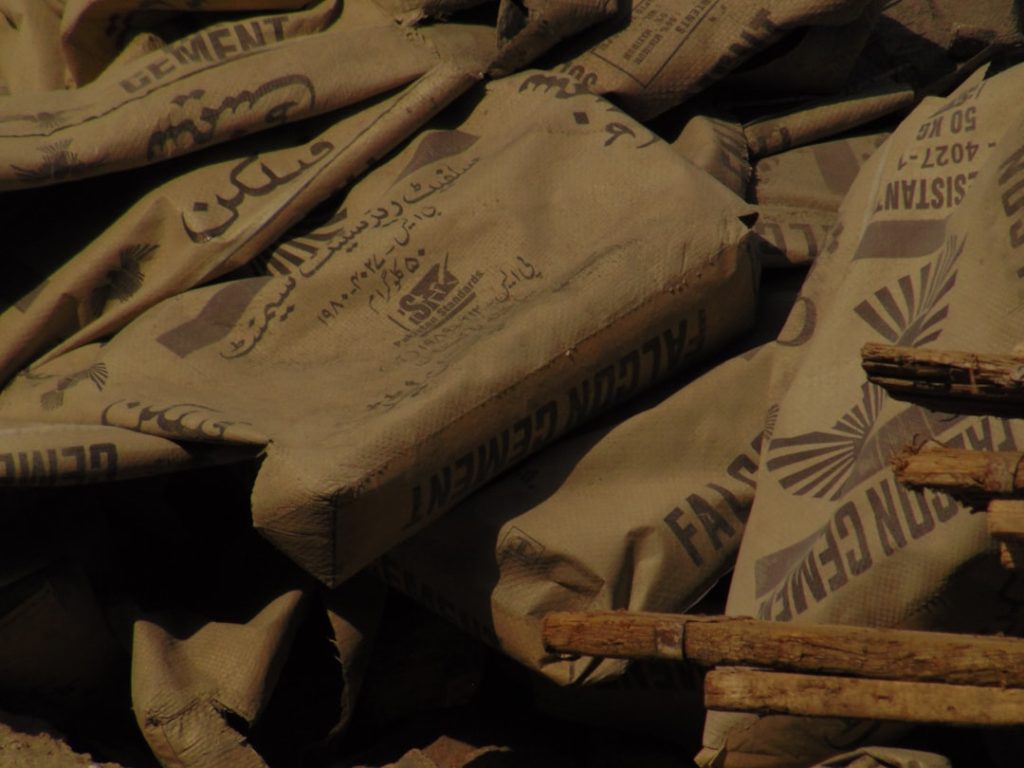
Cement has climbed to ₦13,000–₦15,000 per 50kg bag in much of Nigeria as of July–August 2026, up from around ₦8,000 early in the year — a rise of roughly 60–85% in months. On a 3-bedroom bungalow (250–450 bags) that’s an extra ₦1m–₦3m; on a duplex, far more. The panic headlines won’t help you. A buying plan will. (Prices July–August 2026; ~$ at ₦1,450/$.)
Posted inCost Analysis News
Cement Hits ₦13,000–₦15,000 a Bag: What Nigerian Builders Should Do Now
Posted by
 No Comments
No CommentsIf you’re mid-build or about to break ground, this is the number keeping you up at night. Cement is the one material every stage needs, so when it jumps, your whole budget wobbles. Here’s the calm version: what’s actually happening, what it does to your costs, and the moves that genuinely protect you.
What’s happening with cement prices
Retail cement is now widely selling at ₦12,000–₦15,000 a bag, with some parts of Lagos, Abuja, Port Harcourt and the South-East reportedly above ₦15,000. Reports put Dangote at roughly ₦11,300 to retailers, who then sell around ₦11,800–₦12,000 and up. The bitter irony, as The Guardian notes, is that this is happening despite a production glut — Nigerian cement now costs nearly double the African average.
| Period | Price per 50kg bag (₦) | ~ USD |
|---|---|---|
| Early 2026 | ~₦8,000 | ~$5.50 |
| Mid-2026 | ₦11,800–₦13,000 | ~$8.15–$8.95 |
| July–August 2026 (peak areas) | ₦13,000–₦15,000+ | ~$8.95–$10.35+ |
What this does to your build
Cement touches every structural stage, so the increase compounds. Here’s the rough extra cost the jump from ₦8,000 to ₦13,500 adds, by build type.
| Build | Cement needed | Extra cost vs early 2026 |
|---|---|---|
| 3-bedroom bungalow | 250–450 bags | +₦1.4m–₦2.5m (~$965–$1,720) |
| Modern 3-bedroom flat | ~300–500 bags | +₦1.7m–₦2.8m (~$1,170–$1,930) |
| 5-bedroom duplex | 500–750 bags | +₦2.8m–₦4.1m (~$1,930–$2,830) |
See exactly how many bags your project needs in our bungalow blocks-and-cement guide and duplex materials guide.
What builders should actually do now
Buy in bulk, direct from a depot or distributor. Trailer-load pricing beats bag-by-bag retail. If you’re on a big build, cutting out a middleman on 500 bags is real money.
Buy per stage, not all at once — but lock your quantities. Cement stored badly for months hardens and is wasted. Get a bill of quantities so you know exactly what each stage needs, then buy that stage’s cement just before you need it.
Compare brands honestly. BUA has often sat below Dangote on price; the grade you need depends on the job (a 42.5-grade for structural concrete, not just the cheapest bag). Don’t buy weak cement to save ₦1,000 — it fails where it matters.
Phase the build. If prices are spiking, it can be smarter to complete the structural frame now and pause finishing than to rush everything at peak prices. Finishing can wait; a half-cast slab can’t.
Re-run your budget at today’s prices. A quote from three months ago is fiction now. Rebuild it with current numbers and a 10–15% contingency.
Worth knowing: the Federal Government has repeatedly pressed producers to cut prices — we covered that in FG calls for cement price cuts. A stronger naira in 2026 could ease things, but don’t budget on a promise. Build to today’s price.
Don’t let cement blow up your budget mid-build. Our Feasibility Studio recalculates your whole project at current material prices, stage by stage — so a price spike is a number you planned for, not a crisis.
What most cement coverage leaves out
The glut makes this political, not just economic. Nigeria produces more cement than it uses, yet pays near-double the continental average. That gap is about pricing power and costs, not scarcity — which means “wait for supply to rise” is the wrong strategy. Supply is already high.
Cheap cement is the costliest trap. When prices spike, fake or adulterated cement appears. A weak structural mix doesn’t show up until it cracks. Buy from known distributors and check the bag, grade and date.
Timing beats hoarding. Buying 500 bags to “beat the price” and storing them for six months usually loses more to spoilage and tied-up cash than you save. Match purchases to your build schedule.
Watch out: a contractor asking for the full cement budget upfront “to lock the price” is a classic way to lose money. Release funds against staged, documented purchases you can verify — especially if you’re managing the build from abroad.
Frequently asked questions
How much is a bag of cement in Nigeria now?
As of July–August 2026, ₦12,000–₦15,000 per 50kg bag, with some areas above ₦15,000. That’s up from around ₦8,000 early in the year.
Will cement prices come down in 2026?
Possibly, if the naira holds firm and government pressure bites, but there’s no guarantee. Build your budget on today’s price, not a hoped-for fall.
Which is cheaper, Dangote or BUA?
BUA has frequently priced below Dangote, but it varies by state and dealer. Compare locally, and match the grade to the job rather than chasing the lowest bag.
Should I buy all my cement now to beat price rises?
Usually no. Cement spoils if stored too long. Lock your quantities with a bill of quantities and buy each stage just before you need it.
How much does the price jump add to a full build?
On a bungalow, roughly ₦1.4m–₦2.5m extra versus early 2026; on a duplex, ₦2.8m–₦4.1m or more, because duplexes use far more cement.
Methodology & sources
Cement prices from July–August 2026 dealer and market reports: The Guardian and Legit.ng. Extra-cost figures apply the price change to standard cement quantities for each build type (see our cost guides). Prices vary by brand, state and dealer, so treat these as market ranges. USD at ₦1,450/$ (parallel-market rate, early August 2026; CBN official ~₦1,366). Last updated: August 2026. Next review: November 2026. Journalists and researchers may cite this with attribution to LandsofNigeria.com.
Building or buying and worried about costs? Before you commit, confirm the land, the title and the real numbers. Our free checklist keeps first-time builders and diaspora buyers from expensive surprises.

