
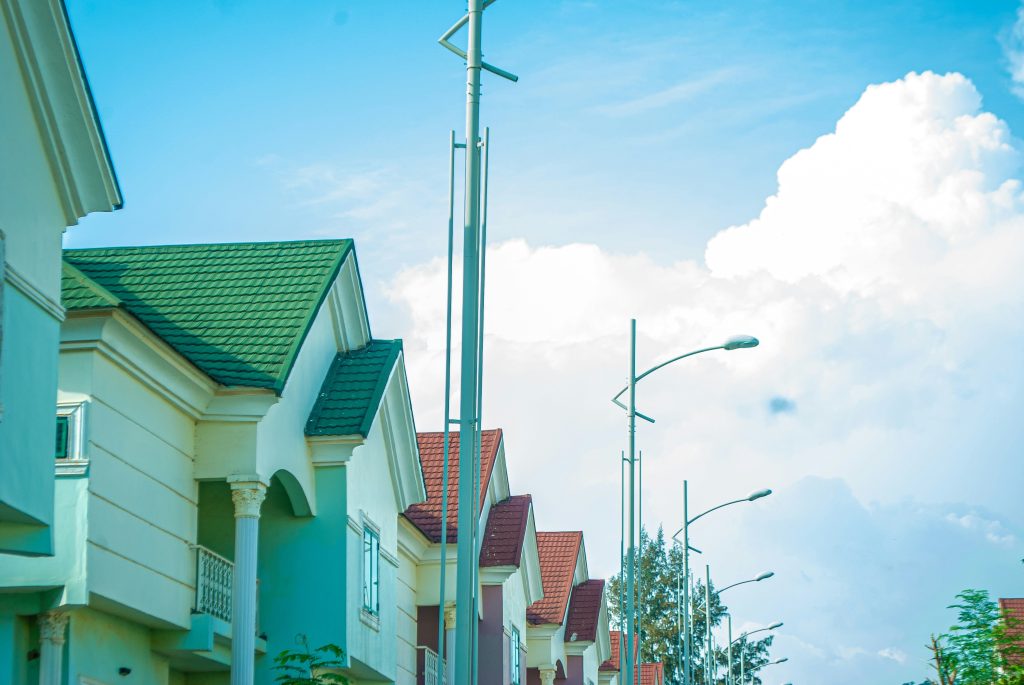

On 20 August 2026, the Federal Executive Council approved the direct purchase of 600 four-bedroom terrace duplexes in Life Camp, Abuja, for Armed Forces personnel — lifting approved military housing to 2,156 units (with 1,556 already approved in Deidei) against a 10,000-unit target. Separately, FG began a 250-unit civil-servant estate in Abuja. Good news for supply — but here’s the honest part: none of these homes are for the open market. (August 2026.)
The headlines make it sound like housing is finally arriving. It is — for soldiers and civil servants. If you’re an ordinary buyer or a Nigerian abroad hoping to own a home, these announcements matter less than they look. Let’s cut the noise and get to what actually helps you.
What was approved
The Minister of Housing and Urban Development, Muttaqha Rabe Darma, confirmed the Federal Executive Council approved the purchase of 600 four-bedroom terrace duplexes at Bristol City Development, Life Camp, Abuja, for military personnel. Added to a previously approved 1,556 units in Deidei, that brings approved military housing to 2,156 units, part of a broader plan for 10,000 homes for the Armed Forces. In parallel, the government began a 250-unit estate for civil servants in Abuja through its post-service housing vehicle.
The honest part: this isn’t for you (directly)
These units are ring-fenced for military personnel and civil servants — not sold on the open market, and not available to diaspora buyers. And approval is only stage one. As the reporting itself notes, the real test is delivery: how fast the units are built, the quality, and how transparently they’re allocated. Nigeria has a long history of approved public-housing projects that move slowly from paper to keys.
Worth knowing: Big public-housing numbers are a supply signal, not a shopping list. They can ease pressure on Abuja’s market over time, but they won’t put keys in your hand. For that, you need a route that’s actually open to you.
What actually helps an ordinary or diaspora buyer
If you want a home you can genuinely access in 2026, three routes beat waiting on a government scheme you’re not eligible for:
- Renewed Hope Homes — the FG scheme that is open to the public via application, in Lagos, Abuja and beyond. Check the criteria and what to verify before you commit.
- FMBN’s diaspora mortgage — for Nigerians abroad, financing of up to ₦50m (~$32,300) toward a home back home, with its own conditions to check.
- Buy land in an affordable, titled corridor — Ogun (from ₦750,000, ~$485) or the Ibeju-Lekki fringe — and build at your pace. Often the most realistic path to ownership.
Planning your move home from abroad? Our upcoming book walks Nigerians in the diaspora through buying land and building safely — from title checks to sending money without getting burned.
Join the book waitlist for early access.
Frequently asked questions
Can I buy one of the 600 military duplexes?
No. They’re allocated to Armed Forces personnel, not sold on the open market.
Does this help the general housing shortage?
Marginally and slowly. It adds Abuja stock over time, but with a 22 million+ home national deficit, 2,156 approved units barely moves the needle — and only if they’re actually delivered.
What FG housing can regular people access?
Renewed Hope Homes is the public-facing scheme; the FMBN NHF mortgage (including its diaspora window) is the main finance route. Both have eligibility rules to check first.
Is buying land still the better path?
For many ordinary and diaspora buyers, yes — a titled plot in an affordable corridor plus a phased build is often faster and safer than waiting on a scheme.
Methodology: Based on Federal Executive Council approvals reported 19–20 August 2026. Figures (600, 1,556, 2,156, 10,000, 250 units) as stated by the Ministry of Housing; ₦/$ at ₦1,550/$. Last updated: August 2026. Journalists and researchers may cite this with attribution to LandsofNigeria.com.
Routes that are actually open to you: how to apply for Renewed Hope Homes (and what to check), the 2026 diaspora mortgage guide, best areas to buy land in Ogun State, and affordable homeownership routes for young professionals. Sources: Housing TV Africa (military housing) and the 250-unit civil-servant estate.

