
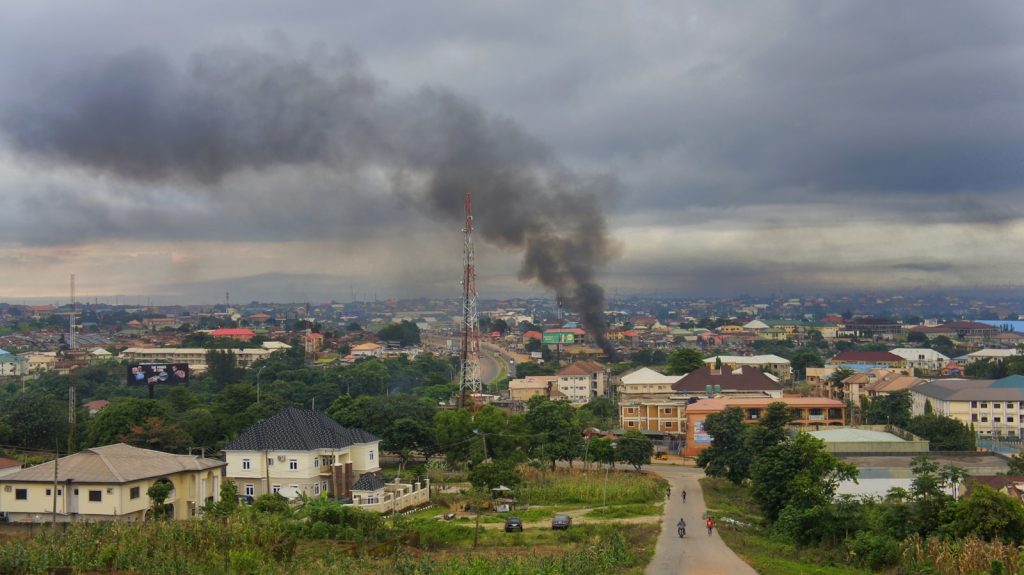

Abuja land in 2026 splits into three worlds: affordable frontier plots you can still get for ₦3M–₦15M (~$2,140–$10,700) in Kuje, Lugbe and Idu; mid-market appreciation zones like Karsana, Katampe Extension and Gwarinpa at roughly ₦16M–₦52M (~$11,400–$37,100) a plot; and the prime districts — Guzape, Maitama, Asokoro — where a single plot runs from ₦150M to over ₦250M (~$107,000–$178,600+). Where you buy should follow your budget and your title tolerance, not the hype. (Prices at ₦1,400/$, parallel market, August 2026.)
Abuja is not one market. A plot in Maitama and a plot in Kuje are both “Abuja land,” but they’re separated by more than 40 kilometres and about ₦247 million. The FCT also has its own paperwork quirks — the Certificate of Occupancy (C of O), the Right of Occupancy (R of O), and the all-important question of whether a plot sits inside the approved Abuja Master Plan or outside it. Get that wrong and a cheap plot becomes an expensive lesson. Let’s walk through eight zones worth your money in 2026, from the affordable edge to the untouchable centre.
How much is a plot of land in Abuja in 2026?
For about 80% of Abuja’s residential market, a realistic 2026 range is roughly ₦16M to ₦900M (~$11,400–$643,000) per plot, with the frontier suburbs sitting below that and the ultra-prime districts far above it. Here’s the snapshot before we go zone by zone.
| Zone | Typical plot price (₦) | ~ USD | Best for |
|---|---|---|---|
| Kuje | ₦3M–₦5M (250–350 sqm) | ~$2,140–$3,570 | First-time / lowest entry |
| Kubwa / Lokogoma | ₦8M–₦25M | ~$5,700–$17,900 | Established, liveable now |
| Lugbe | ₦10M–₦15M (350–500 sqm) | ~$7,140–$10,700 | Airport-corridor growth |
| Idu | ₦12M–₦20M (250–500 sqm) | ~$8,570–$14,300 | Industrial / rail-linked |
| Karsana | ₦24M–₦52M (300–650 sqm) | ~$17,100–$37,100 | Mid-market appreciation |
| Katampe Extension | ₦35M–₦90M | ~$25,000–$64,300 | Investor appreciation play |
| Gwarinpa (Extension) | ₦16M–₦38M (200–500 sqm) | ~$11,400–$27,100 | Big, established residential |
| Guzape / Maitama | ₦150M–₦250M+ (per plot) | ~$107,000–$178,600+ | Prime, trophy addresses |
1. Kuje — the cheapest genuine entry point
If your budget is tight and you want real ownership rather than a maybe, Kuje is the honest answer. Documented 250–350 sqm plots go for about ₦3M–₦5M (~$2,140–$3,570) in 2026. It sits south-west of the city, near the airport axis, and prices are low but climbing as development creeps outward. The trade-off is distance and thinner infrastructure — you’re buying tomorrow’s suburb, not today’s. Insist on proper documentation; the affordable edge of Abuja is exactly where informal sales cluster.
2. Kubwa & Lokogoma — established and liveable right now
Kubwa (north, along the Zuba expressway) and Lokogoma (south-east) are the practical middle: real neighbourhoods with roads, schools, markets and power, where you can build and move in without waiting a decade for the area to “arrive.” Plots run roughly ₦8M–₦25M (~$5,700–$17,900) depending on exact location and title. These are strong picks for a family that wants to live in what they build, not just flip it.
3. Lugbe — riding the airport road
Lugbe is one of the fastest-growing districts along the airport corridor, and that road access is its whole story. Sample 2026 prices: 350 sqm around ₦10M (~$7,140), 500 sqm around ₦15M (~$10,700), with larger commercial plots running far higher. Good for buyers who want growth momentum without prime-district prices — just confirm whether the specific plot carries a clean title or a contested one, because Lugbe has both.
4. Idu — buy where the industry and the railway are going
Idu is Abuja’s industrial and logistics play, anchored by the Idu railway station. Plots near the rail line are priced around ₦12M for 250 sqm and ₦20M for 500 sqm (~$8,570–$14,300). It’s less about a dream home and more about positioning for commercial and industrial demand as the district builds out. Investor territory more than family territory.
Buying Abuja land from abroad? The FCT’s C of O and R of O paperwork trips up even local buyers. Our free Land Verification Checklist tells you exactly which documents to confirm — and with which agency — before you send a naira.
5. Karsana — the mid-market appreciation zone
Karsana, north-west of the city centre, is where a lot of 2026 investor attention sits: enough development activity to feel real, prices still below the prime districts. Current plots run from about ₦24M for 300 sqm to ₦40M for 500 sqm, up to ₦52M for 650 sqm (~$17,100–$37,100). If you want appreciation potential with an eventual liveable outcome, this is a sensible middle path.
6. Katampe Extension — the investor’s momentum bet
Katampe Extension has become one of the most talked-about districts for pure appreciation, thanks to its proximity to Maitama and heavy ongoing development. Plots commonly land in the ₦35M–₦90M (~$25,000–$64,300) range depending on exact location and topography (parts are hilly, which affects build cost). This is a bet on the district maturing into a premium address — with the higher entry price that implies.
7. Gwarinpa — the biggest established residential district
Gwarinpa is one of the largest residential estates in West Africa and a proven, functioning neighbourhood. In Gwarinpa Extension, 2026 plots range from about ₦16M for 200 sqm and ₦24M for 300 sqm to ₦38M for 500 sqm (~$11,400–$27,100). You’re paying for a place that already works — infrastructure, community, resale demand — rather than a promise. A dependable choice for owner-occupiers.
8. Guzape & Maitama — the prime tier
At the top sit Guzape, Maitama and Asokoro. A 1,000 sqm plot in Guzape can be priced around ₦250M (~$178,600), and Maitama plots routinely run into hundreds of millions. This is trophy territory: diplomatic neighbours, the best security and infrastructure, and prices to match. For most buyers it’s aspiration, not action — but it anchors the top of the market that pulls the mid-tier districts up over time.
What most Abuja land guides leave out
Here’s what the glossy listings won’t stress: in the FCT, the single most important question isn’t price — it’s whether the plot is inside the approved Abuja Master Plan and what title it carries. Land outside the plan, or with only a “Right of Occupancy” from an area council rather than a proper C of O, can be revoked or caught in demolition. Many bargain plots on the city’s edge fall exactly into this grey zone.
Watch out: Two plots at the same price can have completely different risk. One has a clean C of O inside the Master Plan; the other has an area-council R of O outside it and could face demolition. Verify title with the FCTA / AGIS (Abuja Geographic Information Systems) before you fall in love with a price.
Frequently asked questions
Which area of Abuja is best for a first-time buyer on a small budget?
Kuje offers the lowest genuine entry, with documented plots around ₦3M–₦5M (~$2,140–$3,570). Kubwa and Lokogoma cost more (₦8M–₦25M / ~$5,700–$17,900) but are liveable now, which many first-timers prefer.
Where is land appreciating fastest in Abuja in 2026?
Karsana and Katampe Extension draw the most investor interest for appreciation, while Lugbe and Idu benefit from the airport corridor and rail infrastructure respectively. Fast appreciation and higher title risk often sit together, so verify before you chase a number.
What’s the difference between a C of O and an R of O in Abuja?
A Certificate of Occupancy (C of O) is the stronger, FCTA-issued title. A Right of Occupancy (R of O) is often issued by an area council and is weaker, especially for land outside the Abuja Master Plan. Always confirm which one a plot actually has.
Is it safe to buy Abuja land from the diaspora?
Yes, if you verify title through AGIS, use a lawyer who is physically in Abuja, and never pay based on photos alone. The safe process is the same one that protects local buyers — you just have to insist on it from a distance.
How we sourced this. Zone prices are 2026 market ranges compiled from active Abuja listings and area guides (Nigeria Property Centre, UrbanReality, Benuca, TheAfricanvestor), converted at ₦1,400/$ (parallel market, August 2026). Land prices vary widely by exact location, title and infrastructure, so treat every figure as an indicative range. Last updated: August 2026. Next review: November 2026. Journalists and researchers may cite this with attribution to LandsofNigeria.com.
Comparing Abuja plots against your budget? The LON Feasibility Studio will let you weigh land price, title risk and build cost side by side. It launches soon.
Related reading on LandsofNigeria.com: Best areas to buy land in Enugu, best areas to buy land in Ogun State, the 10 cheapest places to buy land in Nigeria, and the external Abuja land listings on Nigeria Property Centre.


