
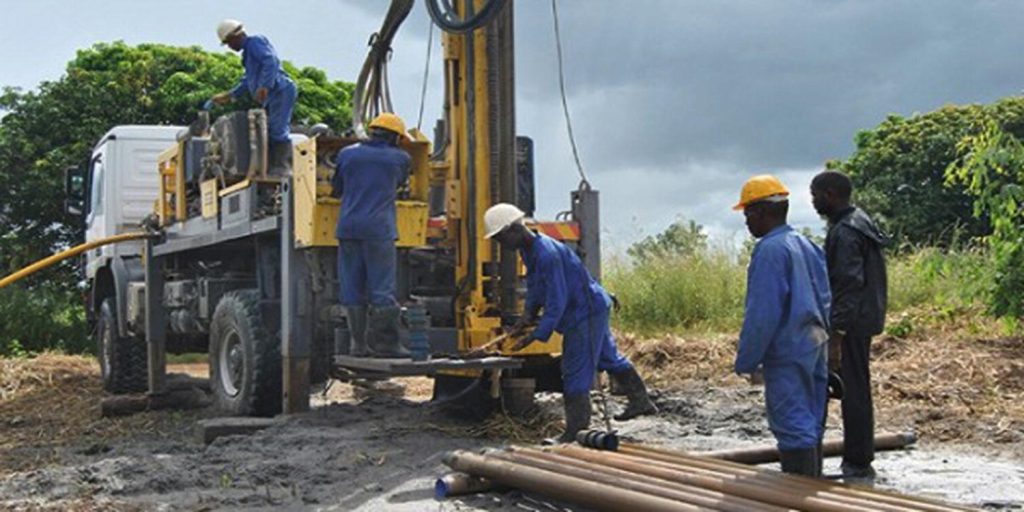

If you’re building on a plot with no public water — which is most plots in Nigeria — a borehole is not optional, and it’s one of the first big cheques after the foundation. Expect to pay ₦900,000 to ₦3.5 million (~$640–$2,500) for a complete, working system in 2026: drilling, casing, pump, tank and connection. A shallow domestic borehole in soft-soil Lagos can land around ₦900,000–₦1.5M (~$640–$1,070), while a deep hole through Abuja or northern rock runs ₦2M–₦3.5M (~$1,430–$2,500). (Figures at ₦1,400/$, parallel market, August 2026.)
Here’s the thing most quotes won’t tell you upfront: the “drilling” price you get on the phone is rarely the price you pay. Drilling is only one line item. By the time you add a pump, an overhead tank, a soakaway for the tank stand, plumbing and electrical connection, the number can nearly double. This guide breaks down every part so you can budget the real figure — and spot the contractor who’s low-balling you to win the job, then hitting you with “extras” halfway down the hole.
What does a complete borehole actually cost in 2026?
A full domestic borehole in Nigeria costs roughly ₦900,000–₦3.5M (~$640–$2,500) installed in 2026. The single biggest variable is geology: how deep the drill has to go and what it’s cutting through. Soft, sandy ground near the coast is fast and cheap. Hard laterite and granite inland is slow, hard on equipment, and expensive.
| Borehole type | Typical depth | All-in cost (₦) | ~ USD |
|---|---|---|---|
| Manual / hand-dug (shallow) | 15–40 m | ₦120,000–₦500,000 | ~$85–$360 |
| Domestic, soft soil (Lagos, coastal) | 30–60 m | ₦900,000–₦1,500,000 | ~$640–$1,070 |
| Domestic, mixed ground | 60–100 m | ₦1,500,000–₦2,500,000 | ~$1,070–$1,790 |
| Deep, hard rock (Abuja, North, parts of SE) | 100–150 m+ | ₦2,500,000–₦3,500,000+ | ~$1,790–$2,500+ |
Manual boreholes are cheap for a reason: they only work in soft ground with a high water table, they give a lower yield, and they’re more prone to running dry in the dry season. For a home you plan to live in for years, most people go with a machine-drilled hole.
Cost breakdown: where the money actually goes
Split the job into its parts and the total makes sense. Drilling itself is usually 40–55% of the bill; the pump, tank and connection make up the rest.
| Component | Cost (₦) | ~ USD |
|---|---|---|
| Drilling + casing (per hole) | ₦600,000–₦1,600,000 | ~$430–$1,140 |
| Submersible pump (1–1.5 HP) | ₦180,000–₦600,000 | ~$130–$430 |
| Pump installation + cabling | ₦120,000–₦300,000 | ~$85–$215 |
| Overhead tank (1,000–2,000 L) + stand | ₦250,000–₦900,000 | ~$180–$640 |
| Plumbing + connection to house | ₦150,000–₦400,000 | ~$105–$285 |
| Water treatment (filter, where iron/salt is high) | ₦100,000–₦500,000 | ~$70–$360 |
Worth knowing: Casing quality matters more than most buyers realise. Cheap, thin PVC casing can collapse or crack, and re-drilling a failed hole costs almost as much as the original. Insist on the casing gauge in writing before work starts.
Why does location change the price so much?
Same borehole, wildly different price, depending on where your plot sits. In much of Lagos, Warri and the Niger Delta, the water table is high and the ground is soft — a rig can hit good water at 40–60 metres in a day. In Abuja, Jos, Enugu and large parts of the North, drillers fight through granite and laterite for days, burning bits and fuel, sometimes to 150 metres before a decent yield. That’s the difference between a ₦1M hole and a ₦3M+ hole.
A second factor is water quality. Coastal and delta areas often have high iron (that orange stain on tanks and tiles) or salinity, which means you’ll want a treatment stage. Budget for a water test — around ₦20,000–₦60,000 (~$14–$43) — before you assume the water is usable straight from the ground.
What most borehole quotes leave out
This is where budgets blow up. The headline “drilling” figure almost never includes:
- The tank stand. A steel or concrete stand tall enough for gravity flow can add ₦200,000–₦600,000 (~$140–$430) on its own.
- Electrical work. Running a dedicated line and a starter/control box for the pump is a real cost, often ₦80,000–₦200,000 (~$57–$140).
- A failed first hole. Sometimes the first spot is dry or low-yield and the driller has to move. Ask upfront who pays if that happens — you, or them.
- Running cost. A submersible pump is a power draw. On a generator or inverter, pumping water has an ongoing fuel or battery cost most people forget when they compare a borehole to buying tanker water.
Watch out: A quote that’s far below everyone else’s is a warning sign, not a bargain. The common trick is to win with a low drilling price, then “discover” the ground is harder than expected and demand more per metre once the rig is on site and you’re committed. Get the price per metre, the guaranteed depth, and the “what if it’s dry” terms in writing.
Building from abroad or first time on site? A borehole is one of a dozen line items where diaspora and first-time builders get overcharged. Our free Land & Build Verification Checklist walks you through what to confirm — and what to pay — before money leaves your account.
Is a borehole cheaper than the alternatives?
Over time, almost always. Buying water from tankers can cost ₦8,000–₦25,000 (~$6–$18) per delivery depending on your area and the season, and a growing household burns through that fast. A borehole is a big one-off cost that pays for itself within a couple of years for most families — and it adds real resale value to the plot, because the next buyer sees “water sorted” as a plus. The catch is the upfront cash and the running power cost, so it’s a question of when you can afford the lump sum, not whether it’s worth it.
Frequently asked questions
How deep should a borehole be in Nigeria?
It depends entirely on where your water table sits. In soft-soil Lagos, 40–60 metres is often enough. In Abuja and rocky areas, you may need 100–150 metres to reach a reliable yield. A local hydro-geological survey (₦30,000–₦80,000 / ~$21–$57) tells you before you drill blind.
How long does drilling take?
In soft ground, a domestic borehole can be drilled and cased in one to two days. In hard rock it can stretch to four or five days. Full installation with tank and plumbing usually adds another few days.
Can I drill in the rainy season?
Yes, and some prefer it because access to water is easier, but heavy rain can slow rig movement on muddy sites. The water table also sits higher in the wet season, which can make a dry-season yield look better than it really is — test yield across seasons if you can.
Do I need government approval to drill a borehole?
In several states, yes — there are water-resource regulations and, in places, permit requirements. Check with your state’s water regulatory agency or your local government before drilling, especially for commercial or high-volume use.
What’s the cheapest honest way to get water on a new plot?
A manual borehole in soft-soil areas (₦120,000–₦500,000 / ~$85–$360) is the lowest-cost option that still gives you your own supply — just accept a lower yield and check the water table is high enough to make it viable year-round.
How we costed this. Figures are 2026 market ranges compiled from Nigerian borehole-drilling contractors and cost guides (Amapha, Skillland, Daibau, Ownkey) and cross-checked against typical component prices, converted at ₦1,400/$ (parallel market, August 2026). Borehole costs move with cement, steel, fuel and the exchange rate, so treat these as ranges, not fixed prices. Last updated: August 2026. Next review: November 2026. Journalists and researchers may cite this with attribution to LandsofNigeria.com.
Planning a full build budget? A borehole is one line on a long list. The LON Feasibility Studio pulls land, materials, labour and services into one honest cost picture — it launches soon.
Related reading on LandsofNigeria.com: How much a solar system costs for a Nigerian home, what it costs to fence a plot, materials for a 5-bedroom duplex, and the cheapest places to buy land in Nigeria.

