

Fencing is the first thing most buyers do after they get their plot — it stops encroachment and signals the land is taken. In September 2026, walling a standard plot costs roughly ₦1,900,000 to ₦4,200,000 (~$1,370–$3,030). A short security wall (4–5 courses) can be done for about ₦1,200,000–₦1,500,000 (~$870–$1,080); a full 6ft fence with pillars and plastering runs ₦2,500,000–₦4,000,000+ (~$1,810–$2,890+). The big variable is still cement, holding around ₦12,000–₦15,000 a bag. (Prices as of September 2026, rechecked 19 October; dollars at ₦1,385/$.)
Update, 19 October 2026: We found no national cement survey newer than the 1 September market report, so the cost ranges below stand. We corrected the January cement price to the FCCPC’s ₦9,300–₦9,700 a bag (we had said about ₦8,000) and moved every dollar figure to ₦1,385/$, the parallel-market rate reported for 1 October 2026.
This is an update. We refreshed the numbers in September 2026 and rechecked them on 19 October. Cement moved sharply this year. The FCCPC’s preliminary findings, released on 18 August 2026, put a 50kg bag at about ₦9,300–₦9,700 in January and ₦13,000–₦15,000 in some locations by July, as WithinNigeria reported. That flows straight into fencing costs. Prices have steadied since rather than fallen: a 1 September market report carried by Legit.ng quoted ₦12,000 a bag for Dangote, BUA, Mangal and HBM (formerly Lafarge), with many markets still in the ₦12,000–₦15,000 range. So if you saw an older ₦1.5M “fence a plot” figure, treat it as out of date. Here’s what it really takes now.
What drives the cost of fencing a plot
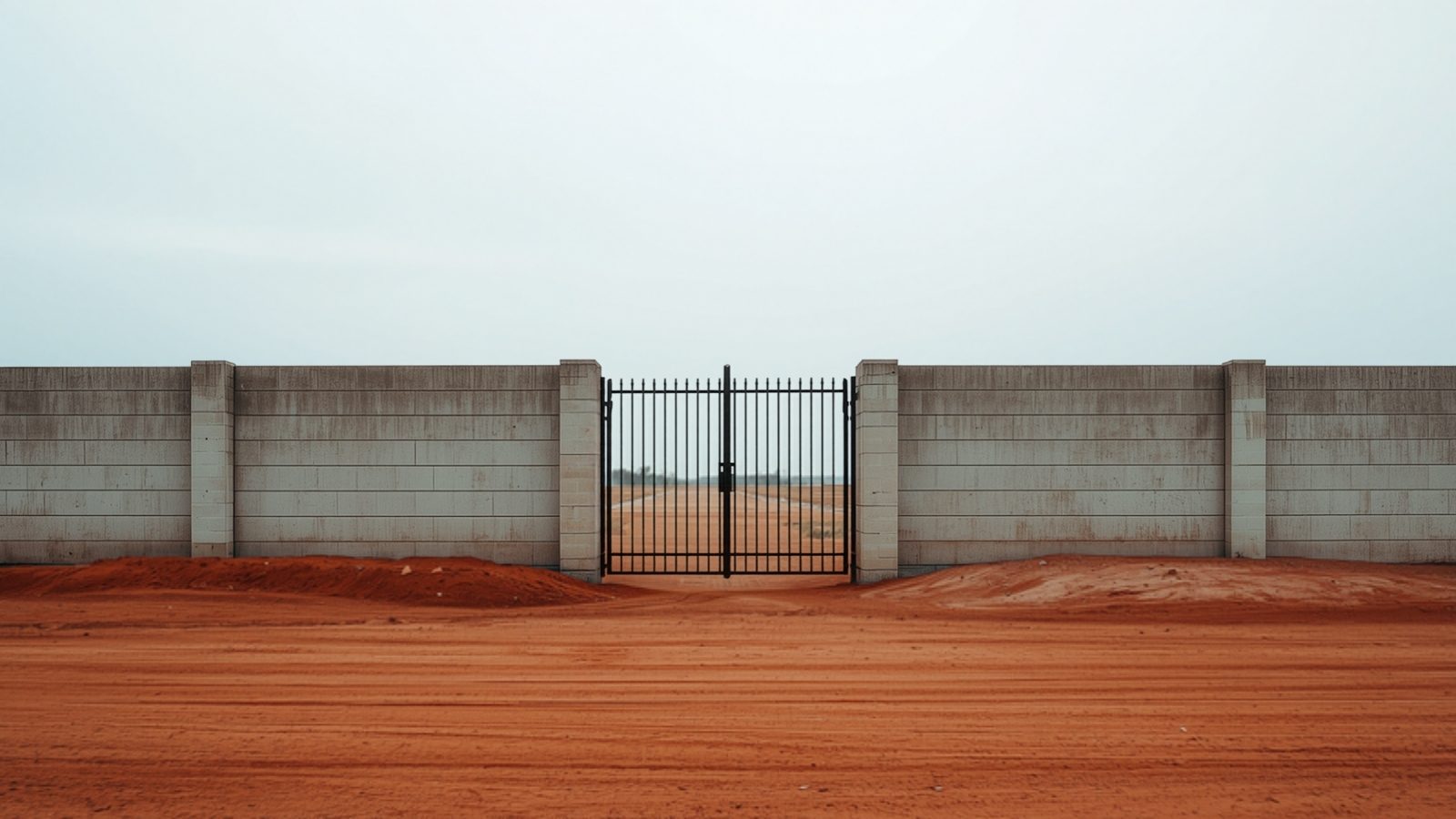
Short version: your total depends on four things — plot size, wall height, whether you plaster, and the gate. A standard plot in Nigeria is commonly about 60ft × 120ft (roughly 18m × 30m), giving a perimeter near 96m before you subtract any shared boundaries. The taller the wall and the more finishing you add, the more blocks, cement and labour you burn.
| Fence type | Per linear metre | Full standard plot (₦) | ~ USD |
|---|---|---|---|
| Short security wall (4–5 courses) | ₦12,000–₦18,000 | ₦1,200,000–₦1,500,000 | ~$870–$1,080 |
| Standard 6ft wall, unplastered | ₦15,000–₦25,000 | ₦2,500,000–₦4,000,000 | ~$1,810–$2,890 |
| 6ft wall, plastered + pillars | ₦25,000–₦40,000 | ₦3,500,000–₦6,000,000 | ~$2,530–$4,330 |
Component breakdown (standard 6ft fence)
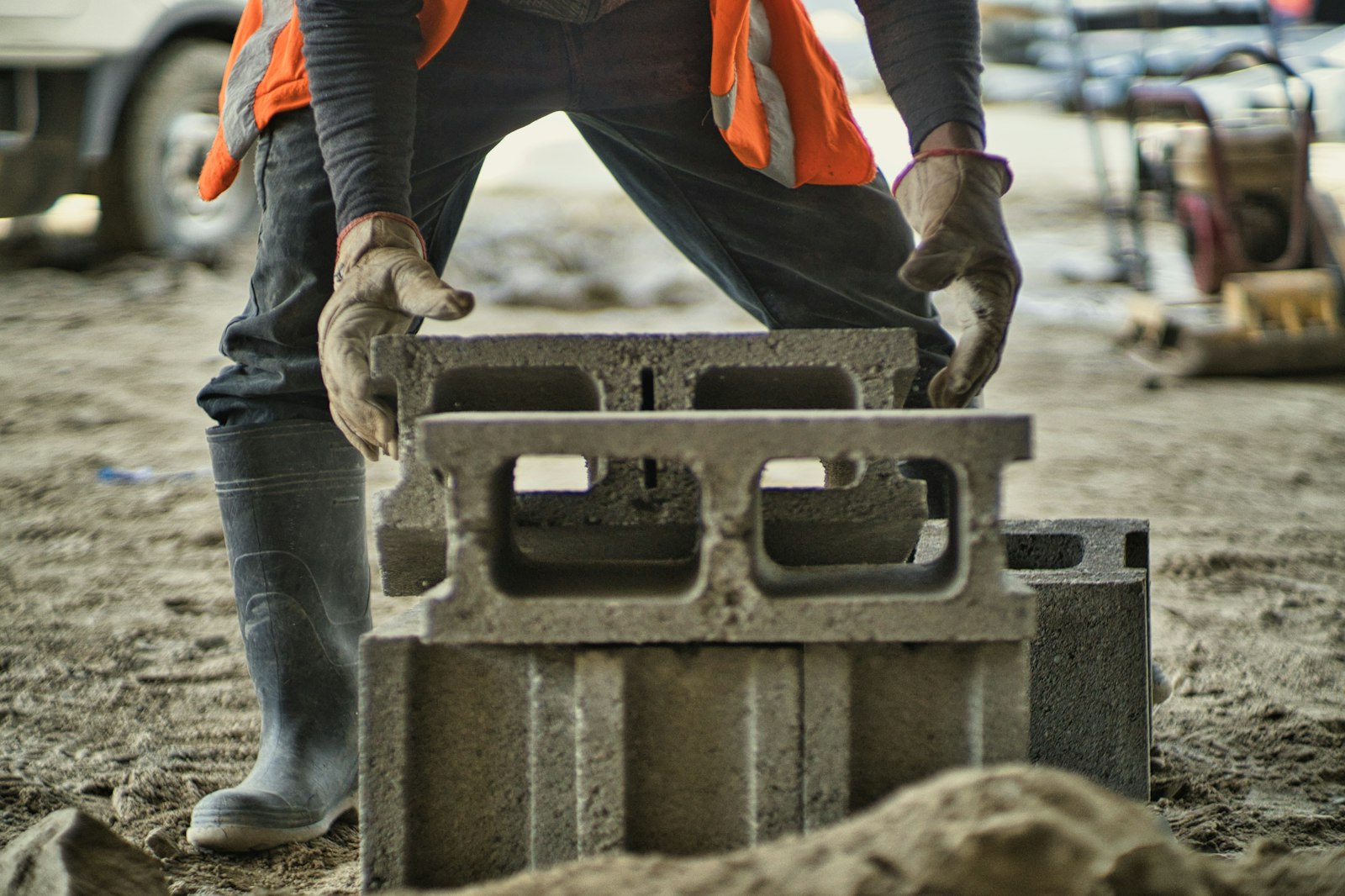
Here’s roughly where the money goes on a standard plot. Quantities scale with your exact perimeter and height. For the wider picture, see how much sand and granite a full build needs and our block and cement counts for a 3-bedroom bungalow.
| Item | Typical quantity | Cost (₦) | ~ USD |
|---|---|---|---|
| 9-inch blocks | 2,200–2,800 @ ₦450–₦750 | ₦1,000,000–₦2,100,000 | ~$720–$1,520 |
| Cement | 50–90 bags @ ₦12,000–₦15,000 | ₦600,000–₦1,350,000 | ~$430–$970 |
| Sand & granite | Several trips | ₦300,000–₦600,000 | ~$215–$435 |
| Iron rods (pillars, foundation) | As designed | ₦150,000–₦400,000 | ~$110–$290 |
| Labour (mason + helpers) | Whole job, incl. foundation | ₦400,000–₦900,000 | ~$290–$650 |
| Gate | 1 (steel/sliding) | ₦300,000–₦1,500,000 | ~$215–$1,080 |
Add it up and a straightforward job lands in the ₦2.5M–₦4M band, with plastering and a heavier gate pushing past ₦5M. The gate alone can swing the total by more than a million naira depending on whether you want a simple welded gate or an automated sliding one.
Worth knowing: Cement is the line that moves your total most. It steadied around ₦12,000–₦15,000 a bag through mid-2026 rather than easing back — our tracker on cement crossing ₦15,000 and what builders should do explains the trend, and how much cement a full house needs puts fencing in context.
What most fencing estimates leave out
The pretty per-metre quote hides a few real costs:
Foundation depth on bad soil. On soft or waterlogged ground, you need deeper footing and more blocks below ground level — that can add 15–25% before the wall even shows.
Sloped or irregular plots. A plot that isn’t flat needs stepped foundations and retaining work. Two “same size” plots can differ by a million naira for this reason alone.
Transport. If your plot is far from the block factory or a bad access road, haulage on blocks, sand and granite adds up fast.
Setback and boundary rules. Fence on the wrong line and you may be told to pull it down. Confirm your survey beacons and any road setback before you lay a single block.
Watch out: Don’t fence land you haven’t fully verified. Buyers sometimes rush to wall a plot before confirming the title — then discover a boundary dispute or that part of the land is under government acquisition. Fencing doesn’t fix a bad title; it just puts your money on top of the problem. If you haven’t done it yet, walk through how to verify land before you buy first.
Planning a build after fencing? The LON Feasibility Studio will let you model land, fence, and full build costs for your specific plot before you spend. It launches soon — join the founding list to get early access.
Frequently asked questions
How much does it cost to fence one plot of land in Nigeria in 2026?
About ₦1,900,000–₦4,200,000 (~$1,370–$3,030) for a standard plot, depending on wall height, plastering and gate. A basic short wall can be done for around ₦1,200,000–₦1,500,000 (~$870–$1,080).
How many blocks do I need to fence a plot?
Roughly 2,200–2,800 nine-inch blocks for a standard plot at 6ft, including pillars and below-ground courses. Bigger plots and taller walls need more.
Why has fencing gotten more expensive?
Mainly cement. The FCCPC put a 50kg bag at ₦9,300–₦9,700 in January 2026 and ₦13,000–₦15,000 in some locations by July, and blocks track cement. Labour and haulage have also crept up.
How much does the gate add?
Anywhere from ₦300,000 for a simple welded steel gate to ₦1,500,000+ (~$215–$1,080+) for an automated sliding gate. It’s the single easiest line to blow your budget on.
Should I fence before or after buying?
Only fence after you’ve verified and, ideally, are perfecting your title. Fencing is a claim marker, not proof of ownership.
Methodology & sources
Figures compiled in September 2026 and rechecked on 19 October 2026. Cement prices come from the FCCPC’s preliminary findings of 18 August 2026, as reported by WithinNigeria (1 September 2026), and a 1 September market report carried by Legit.ng (4 September 2026). Block, sand, iron rod, labour and gate ranges are our own September 2026 estimates, not survey data, so get local quotes before you budget. Dollars at ₦1,385/$, the parallel-market rate reported for 1 October 2026. Totals are ranges, not fixed quotes — your plot size, soil, slope and gate choice move the number. Quantity methodology referenced from Structville’s fencing cost analysis. See also our complete 2026 building & buying price library. Last updated: 19 October 2026. Next review: December 2026. Journalists and researchers may cite this with attribution to LandsofNigeria.com.
Before you fence, make sure the land is really yours. Our free Land & Property Verification Checklist covers the boundary, survey and title checks that stop you from walling a disputed plot.

