
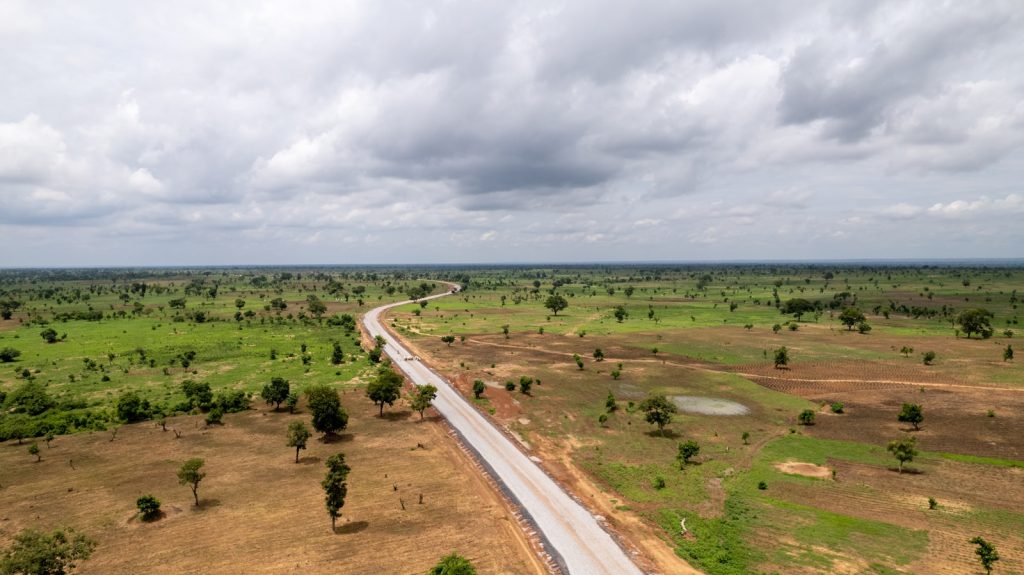

In July 2026, more than 300 homes in Atan-Ota, Ogun State were pulled down after residents acted on Badagry–Sokoto Superhighway setback markings that they say were later changed — some destroyed their own houses only to learn the plots weren’t in the final corridor. Residents put total losses across 1,000+ structures in the billions of naira, and compensation has stalled for months. The lesson for every buyer and builder: never trust a verbal setback, and confirm the right-of-way in writing before you buy or build near any federal highway. (Reported 26 July 2026.)
It’s a gut-punch of a story. Families in Ado-Odo/Ota Local Government Area stripped roofs, doors and windows from homes their grandfathers built, because officials marked the buildings for demolition ahead of the Badagry–Sokoto Superhighway. Then, they allege, a fresh round of measurements moved the line — leaving some already-gutted houses outside the corridor and others suddenly inside it. The Federal Ministry of Works denies any realignment. Either way, hundreds of families are now in rented rooms, waiting on compensation that hasn’t come.
We’re not here to add to the panic. We’re here to make sure it doesn’t happen to you. Here’s what actually went wrong, and the concrete steps that protect your property near any highway project.
What happened in Atan-Ota
According to Vanguard’s 26 July 2026 report, officials visited three times to mark structures within the highway’s right-of-way, and residents were told in November 2025 that demolition would begin on 1 January 2026. People rushed to salvage materials — some dismantling their own homes — before bulldozers arrived. Residents estimate more than 1,000 structures were affected, including homes, schools, hotels, churches, mosques, shopping plazas and about ten filling stations. Over 100 family graves were relocated. Months on, many say enumeration was done but no payment has arrived; the Ministry says compensation approval is near, and Ogun State says the bill is the Federal Government’s to settle.
Watch out: The single most expensive move here was acting on a verbal or informally-marked setback. Never demolish, and never buy or build, on the strength of a chalk mark and a spoken instruction. Get the corridor width and setback in writing from the responsible authority.
How to protect your property near any highway
Whether you already own land near a corridor or you’re about to buy one of those “coastal highway plots” being marketed everywhere, run this before you spend or build:
| Step | What to do |
|---|---|
| 1. Confirm the alignment | Check the official corridor and right-of-way with the Federal Ministry of Works (for federal roads) or the state works/town-planning office — in writing, not verbally. |
| 2. Know the setback | Ask for the exact right-of-way width and building setback for that road class, and where your plot sits relative to it. |
| 3. Never build in the corridor | Even on land you own, structures inside the right-of-way can be removed. Site your building outside the setback with margin to spare. |
| 4. Verify title first | Confirm the plot isn’t also under acquisition or on a flagged estate before you factor in “highway upside.” |
| 5. Document everything | If marked for demolition, demand written enumeration, photograph your property, and keep records for compensation. Don’t self-demolish on a verbal notice. |
Proximity to a new road cuts both ways: it can lift your land value and put you in a demolition corridor. We cover the upside in which coastal-highway areas are actually gaining value — but value means nothing if your building sits in the right-of-way. Confirm title the same way you would anywhere: our guide on how to verify land title walks the registry steps, and the corridor check sits on top of it.
What most coverage leaves out
The reports focus on blame — did the government move the line or not? For your safety, that argument is a distraction. The deeper failure is that buyers and builders in Nigeria routinely have no reliable, written way to know where a corridor runs before they commit, so they rely on rumours, agents and chalk marks. You can’t fix the system, but you can refuse to be its next victim: treat “it’s near the new highway” as a reason to check harder, not to buy faster. Building permits and planning approvals exist partly to catch this — Lagos, for one, now runs building approvals online, and the approval process should flag setback issues before you pour concrete.
Buying near a highway or new road? Our free Land Verification Checklist adds the right-of-way and title checks that stop a “hot corridor” plot from becoming a demolition notice.
Frequently asked questions
Can the government demolish a house I legally own?
If the structure falls within a road’s right-of-way, it can be removed for the project — usually with compensation, though payment can be slow. Legal ownership of the land doesn’t override the corridor.
How do I find the right-of-way for a federal road?
Ask the Federal Ministry of Works (for federal highways) or the state works/town-planning department for the official corridor width and setback in writing, and where your plot sits.
Should I still buy land near the Badagry–Sokoto or coastal highway?
You can — the value upside is real near confirmed nodes — but only after confirming the plot is outside the right-of-way, has clean title, and isn’t on an acquired or flagged estate.
What if my property is marked for demolition?
Get written enumeration, photograph everything, keep documents, and don’t self-demolish on a verbal instruction. Your paper trail is what secures any compensation.
Sources & date stamp. Based on Vanguard’s 26 July 2026 report on the Atan-Ota demolitions and the Federal Ministry of Works. Published: 30 July 2026. Journalists and researchers may cite this with attribution to LandsofNigeria.com.
Before you commit to any plot near new infrastructure, avoid the wider traps too: our list of 9 costliest first-time land-buyer mistakes and the 176 estates Lagos flagged as illegal both start with the same habit — verify before you pay.
One demolition notice can wipe out a life’s savings. Check title and right-of-way the same day you fall in love with a plot.

