
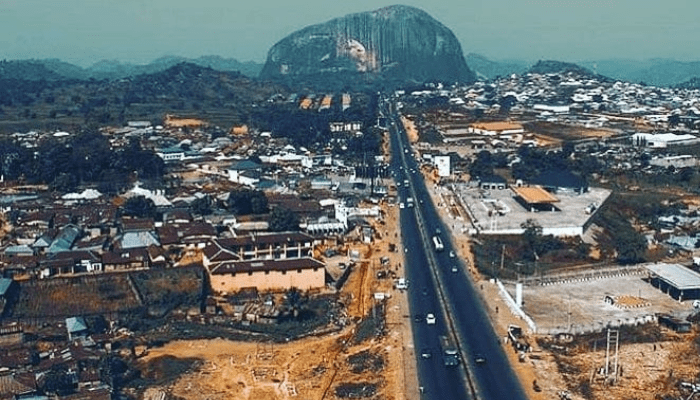

If reliable power decides where you rent or build in Abuja, a handful of districts stand clearly above the rest. The most dependable electricity sits in the capital’s Band A districts — Maitama, Asokoro, Wuse II, Guzape, Gwarinpa, Garki, Jabi, Katampe, Wuye and parts of Kubwa — where feeders are rated for a minimum of 20 hours a day. That reliability is priced in: Band A homes pay about ₦209–₦225 per kWh (~$0.13–$0.15), against roughly ₦60–₦75 (~$0.04–$0.05) on the lower bands. (Figures at ₦1,550/$, July 2026.)
Here’s the thing about Abuja: it has some of the steadiest power in Nigeria, but it isn’t spread evenly. Two houses ten minutes apart can live very different lives — one on a Band A feeder with near-constant light, the other rationed to a few hours a day. So before you sign a lease or buy a plot, it pays to know which districts actually get supply. We pulled this together in July 2026 from Abuja Electricity Distribution Company (AEDC) band classifications and the latest NERC directives.
What “reliable electricity” means in Abuja in 2026
Reliability in Nigeria now has an official yardstick: the service band. Under the rules of the Nigerian Electricity Regulatory Commission (NERC), a feeder rated Band A must deliver at least 20 hours of power a day; Band B is 16 hours, Band C is 12, Band D is 8, and Band E just 4. AEDC only upgrades a feeder to Band A after it averages 20+ hours over a two-week review — and can downgrade it if supply slips. So in practice, “reliable” in Abuja means “sitting on a Band A feeder.”
The 10 most reliable areas in Abuja
These are the districts most consistently classified Band A by AEDC through mid-2026. They’re the government, diplomatic and high-brow zones — which is exactly why their feeders are prioritised.
| # | Area | What it is | Typical band (2026) |
|---|---|---|---|
| 1 | Maitama | Diplomatic, high-brow residential | Band A (20–24h) |
| 2 | Asokoro | Government & diplomatic quarter | Band A |
| 3 | Wuse II | Commercial + upscale residential | Band A |
| 4 | Guzape | New high-brow hillside district | Band A |
| 5 | Garki & Central Business District | Government offices, banks | Band A |
| 6 | Gwarinpa | Large planned estate district | Band A (feeder-dependent) |
| 7 | Jabi | Residential + commercial (Jabi Lake) | Band A |
| 8 | Katampe (Extension) | Emerging high-brow zone | Band A |
| 9 | Wuye | Mid-to-upscale residential | Band A |
| 10 | Kubwa (select feeders) | Mass residential, satellite town | Band A on some feeders |
Based on AEDC Band A classifications reported through 2026. Bands are reviewed regularly, so confirm the current status of a specific feeder before you commit.
Watch out: Band A is a promise, not a guarantee. In 2026, homes on the Gwarinpa/Jahi AT2 feeder went days without power despite paying premium Band A rates, and Maitama endured a substation crisis (the C2 station) before it was resolved in July 2026. A Band A label tells you what a feeder should deliver — always ask current residents what it actually delivers.
What it costs to sit on a Band A feeder
Reliability isn’t free. Band A customers pay several times the lower-band rate — the trade-off for near-constant supply.
| Band | Promised supply | Tariff per kWh (2026) | ~ USD |
|---|---|---|---|
| Band A | 20–24 hours/day | ₦209–₦225 | ~$0.13–$0.15 |
| Band B | 16 hours/day | ₦60–₦75 | ~$0.04–$0.05 |
| Band C | 12 hours/day | ₦50–₦65 | ~$0.03–$0.04 |
Indicative rates, mid-2026; exact figures vary by DisCo and NERC review. At ₦1,550/$.
What most “best areas in Abuja” lists leave out
Three things. First, the band is set per feeder, not per district — one street in Gwarinpa can be Band A while the next is Band B, so ask the landlord or agent for the exact feeder name and its current band. Second, since June 2026, NERC’s compensation directive means Band A homes that get less than 20 hours can claim compensation — know your right before you pay. Third, even in the best districts, a generator or solar-inverter backup is still standard; treat Band A as “most of the time,” not “all of the time,” and budget accordingly.
Frequently asked questions
Which area has the best electricity in Abuja?
Maitama, Asokoro and Wuse II are the most consistently reliable, as diplomatic and government districts whose feeders are prioritised and almost always classified Band A.
Do Band A areas in Abuja really get 20 hours of power?
Often, but not always. Several Abuja feeders fell short of 20 hours in 2026, which is why NERC now orders DisCos to compensate affected Band A customers.
How much does Band A electricity cost in Abuja?
About ₦209–₦225 per kWh (~$0.13–$0.15) in 2026 — roughly three to four times the lower-band rates, in exchange for 20+ hours of daily supply.
Is Gwarinpa on Band A?
Many Gwarinpa feeders are, but it’s feeder-dependent — some parts (like the AT2 feeder area) saw multi-day outages in 2026 despite the Band A label. Confirm the specific feeder.
Should I still budget for a generator or inverter?
Yes. Even Band A homes see interruptions, so a solar-inverter system or small generator remains a sensible backup across every Abuja district.
Planning to build in one of these districts? Power reliability, service charges and running costs all feed into the real cost of a home. Our Feasibility Studio — launching soon — turns those into a clear, stage-by-stage plan for your exact project.
Methodology & sources
Areas and bands compiled July 2026 from AEDC Band A classifications as reported by Vanguard’s list of Abuja Band A areas and Independent’s report on AEDC feeder upgrades, cross-checked against NERC’s 2026 Band A compensation directive. Bands change on review — verify a specific feeder before deciding. Currency at ₦1,550/$ (July 2026). Last updated: July 2026. Next update: October 2026. Journalists and researchers may cite this with attribution to LandsofNigeria.com.
Buying a home or plot in Abuja? Reliable power is one box — clean title is the one that protects your money. Run our free 14-point checklist before you pay anyone.
Related reading: Top 10 Places in Lagos With the Most Reliable Electricity · Where to Buy Land in Abuja (2026): Best Areas by Budget · How to Buy Land in Nigeria From Abroad (2026)

