
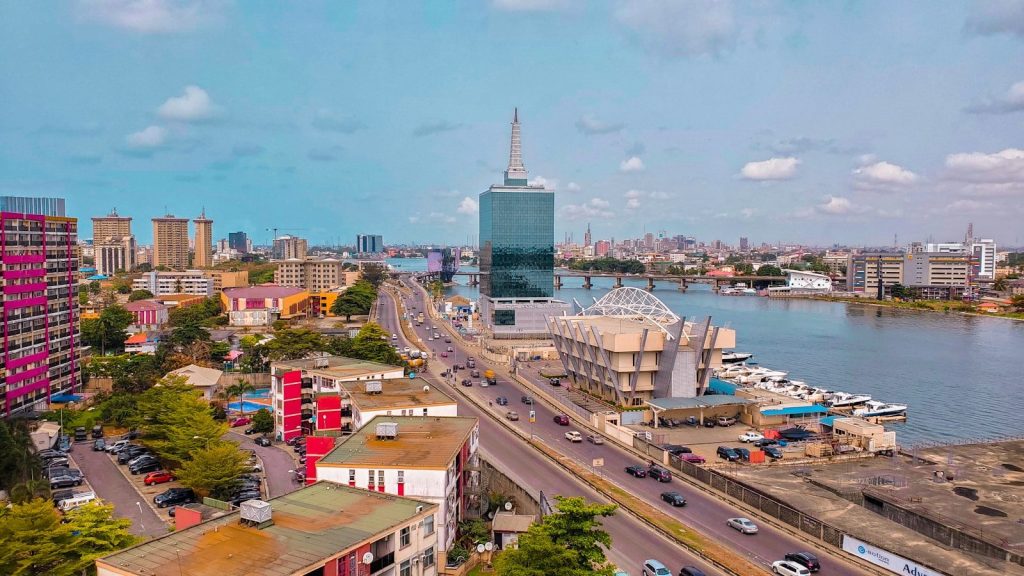

In Lagos, the neighbourhoods that genuinely get 20+ hours of power are the ones sitting on Band A feeders — most of Ikoyi, Victoria Island, Lekki Phase 1, Ikeja GRA and Banana Island, plus pockets of Magodo, Maryland, Surulere and Apapa. Band A homes pay about ₦209.50 per kWh (~$0.14), versus roughly ₦60–₦75 (~$0.04–$0.05) on lower bands. The catch: in early 2026 Eko Disco downgraded seven feeders to Band E, and Ikeja Electric apologised for missing the 20-hour mark on 81 feeders. (Figures at ₦1,550/$, July 2026.)
“Band A” has quietly become the most important phrase in Lagos house-hunting. It’s the official promise of at least 20 hours of daily power — and in a city where a bad feeder means running a generator half the day, it decides where people are willing to live and what they’ll pay. But the label moves. Feeders get upgraded and downgraded every few weeks, so here’s the honest July 2026 picture of which Lagos areas actually deliver.
What Band A means in Lagos (2026)
Under NERC’s service-based tariff, a Band A feeder must supply a minimum of 20 hours a day, measured as a two-week average across the whole feeder. Band B is 16 hours, Band C 12, Band D 8, Band E just 4. Lagos is split between two distributors — Ikeja Electric (IKEDC) on the mainland and much of the north-west, and Eko Electricity (EKEDC) on the Island and south. Both publish which of their feeders qualify for Band A.
The Lagos areas most reliably on Band A
These neighbourhoods have been classified Band A most consistently through 2026. The Island and highbrow mainland pockets dominate the list.
| # | Area | DisCo | Notes |
|---|---|---|---|
| 1 | Ikoyi | Eko | Among the most consistent Band A zones in Lagos |
| 2 | Victoria Island (VI) | Eko | Business + residential core, prioritised |
| 3 | Banana Island | Eko | Estates back Band A with independent power |
| 4 | Lekki Phase 1 | Eko | Strong on most feeders; varies by street |
| 5 | Ikeja GRA | Ikeja | Highbrow mainland, long-standing Band A |
| 6 | Magodo (GRA) | Ikeja | Band A on several feeders |
| 7 | Maryland | Ikeja | Select feeders on Band A |
| 8 | Surulere (parts) | Eko/Ikeja | Feeder-dependent Band A pockets |
| 9 | Apapa (residential) | Eko | Prioritised port/industrial-adjacent feeders |
| 10 | Yaba / Akoka (parts) | Ikeja | Select Band A feeders near institutions |
Based on IKEDC and EKEDC Band A classifications reported through 2026. Bands are reviewed roughly fortnightly — confirm the current status of a specific feeder before you rent or buy.
Watch out: Band A can be taken away. In early 2026, Eko Disco downgraded seven feeders from Band A all the way to Band E — dropping affected homes from 20+ hours to about four — and Ikeja Electric publicly apologised for falling short of the 20-hour standard on 81 of its Band A feeders. Never assume today’s band is permanent.
What Band A power costs in Lagos
| Band | Promised supply | Tariff per kWh (2026) | ~ USD |
|---|---|---|---|
| Band A | 20–24 hours/day | ₦209.50 | ~$0.14 |
| Band B | 16 hours/day | ₦60–₦75 | ~$0.04–$0.05 |
| Band E | 4 hours/day | ₦45–₦60 | ~$0.03–$0.04 |
Ikeja Electric Band A rate, 2026; other bands indicative. At ₦1,550/$.
What most “Lagos power” lists leave out
The band is per feeder, not per neighbourhood — two houses on the same street can sit on different feeders and different bands, so always ask for the feeder name. Since June 2026, NERC requires DisCos to compensate Band A customers who receive under 20 hours, so keep a note of your daily supply. And in a city this variable, a solar-inverter or generator is still non-negotiable — Band A lowers how often you’ll need it, it doesn’t remove the need.
Frequently asked questions
Which part of Lagos has the best electricity?
Ikoyi, Victoria Island and Banana Island are the most consistently reliable, helped by prioritised Eko Disco feeders and, in the estates, independent power backup.
How much is Band A electricity in Lagos in 2026?
About ₦209.50 per kWh (~$0.14) under Ikeja Electric — several times the lower-band rates, in return for a promised 20+ hours a day.
Is Lekki Phase 1 on Band A?
Most of it, yes, but it’s feeder-dependent — some streets are stronger than others, so confirm the exact feeder before committing.
Can my area lose its Band A status?
Yes. Eko Disco downgraded seven feeders to Band E in early 2026, and NERC has ordered downgrades of feeders that miss the 20-hour target nationwide.
What happens if a Band A feeder gives less than 20 hours?
Since mid-2026, NERC’s directive entitles those customers to compensation while keeping their Band A classification for the affected period.
Building or buying in a Band A area? Power reliability shapes your running costs and resale value. Our Feasibility Studio — launching soon — turns land cost, build budget and running costs into one clear plan.
Methodology & sources
Areas and bands compiled July 2026 from IKEDC and EKEDC Band A classifications as reported by Punch’s list of Lagos areas on 20–24 hour supply and The Guardian’s Band A list, with downgrade and compensation details from NERC’s 2026 compensation directive. Bands change on review — verify a specific feeder before deciding. Currency at ₦1,550/$ (July 2026). Last updated: July 2026. Next update: October 2026. Journalists and researchers may cite this with attribution to LandsofNigeria.com.
Renting or buying in Lagos? Confirm the power band, then confirm the paperwork. Our free 14-point checklist shows every document to verify before you pay.
Related reading: Top 10 Places in Lagos With the Most Reliable Electricity · 10 Best Luxury Residential Estates in Lagos · Top 10 Areas in Abuja With the Most Reliable Electricity

