
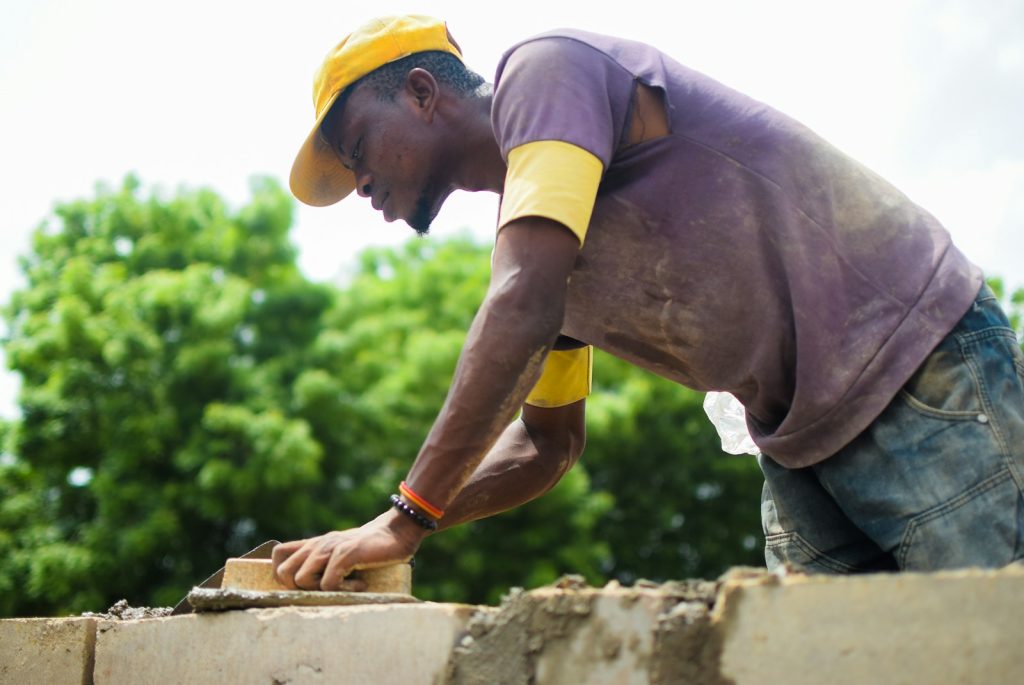

At its 56th annual conference in Abuja on 23 August 2026, the Nigerian Institute of Building (NIOB) issued a blunt warning: unqualified “quack” builders are behind Nigeria’s recurring building collapses, and property owners must verify the qualifications of everyone they hire. NIOB President Daniel Kolade also urged buyers not to choose the cheapest hand over the competent one — because cutting the professional to save a few hundred thousand naira is how buildings, and lives, are lost. Here’s how to actually vet your builder, engineer and architect before you hand over a kobo. (August 2026.)
This one lands close to home for anyone building — and especially for diaspora owners who can’t stand on site. The panic version of this story is “buildings are collapsing.” The useful version is: collapses are largely preventable, and the single most powerful prevention is refusing to let an unqualified person carry your project. Let’s make that practical.
What NIOB actually said
Speaking at the conference — themed around repositioning the building profession in housing delivery — Kolade called on the Federal Government to give the National Building Code full legal backing and to enforce it consistently across states. He described quacks as people who take on building work “without the required training, certification or professional competence,” across design, construction and maintenance. His core message to owners: engage qualified builders, architects and engineers at the right stages, and don’t let a lower price override competence. Federal officials at the same event echoed the point, calling for stronger quality control, proper material testing and real site supervision.
Worth knowing: this isn’t abstract. A single collapse can wipe out a family’s entire savings, and Nigeria sees them far too often. The professionals NIOB is talking about aren’t a luxury add-on — they’re the difference between a home and a liability.
How to vet the people building your home
Here’s the practical checklist NIOB’s warning translates into. Do this before work starts, not after cracks appear.
| Role | Registered/regulated by | What to ask for |
|---|---|---|
| Builder | CORBON / NIOB | Registration number, past projects you can visit |
| Structural engineer | COREN | COREN registration; stamped structural drawings |
| Architect | ARCON | ARCON registration; approved building plan |
| Quantity surveyor (larger builds) | QSRBN | Registration; a proper bill of quantities |
Then, whoever you hire:
- Ask for the registration number and verify it with the relevant council — don’t accept a business card as proof of competence.
- Insist on approved drawings. A real project has an approved architectural plan and stamped structural design. No drawings, no pour.
- Separate design from build where you can. An independent engineer checking the builder’s work catches what one person alone might miss — or hide.
- Demand site supervision and stage inspections — foundation, columns, and slab especially. If you’re abroad, pay a registered professional to inspect and send dated photos and video at each stage.
- Don’t let price pick your builder. The lowest quote often skips the engineer, thins the concrete, or under-sizes the rebar. That “saving” is the most expensive money you’ll ever spend.
Building or buying — especially from abroad? Our free checklist covers the professional, title and site checks that protect your money and your structure before work begins.
Why this matters right now
Nigeria is under pressure to build fast — Lagos alone carries a 3.4 million-unit housing shortage. But NIOB’s point is that speed without standards just multiplies risk. For you as a builder, compliance and a qualified team cost a little more upfront and save you from the catastrophic costs of failure, disputes and demolition. If you’re costing a project, build the professionals and supervision into the budget from the start — see our block-of-flats cost guide and the full 2026 cost of building and buying guide. And remember that a structurally sound building on the wrong land is still at risk — setback and acquisition rules can bring down a perfectly built home.
Frequently asked questions
What is a “quack” builder in Nigeria?
Per NIOB, someone who takes on building work — design, construction or maintenance — without the required training, certification or professional competence. They’re a leading factor in Nigeria’s recurring building collapses.
How do I check if a builder or engineer is qualified?
Ask for their registration and verify it: builders through CORBON/NIOB, engineers through COREN, architects through ARCON. Then confirm they’ll work to an approved plan with stamped structural drawings and stage inspections.
I’m abroad — how do I avoid a quack builder?
Hire a registered professional to supervise on your behalf, insist on approved drawings, and require dated photos and video at every stage. Never let the cheapest quote or a relative “handling it” replace verified competence.
Sources: remarks by NIOB President Daniel Kolade at the institute’s 56th annual conference, Abuja, as reported by Nigeria Housing Market (23 August 2026); professional-body context from the Nigerian Institute of Building. Published: August 2026. Journalists and researchers may cite this with attribution to LandsofNigeria.com.
Building your home back home from the diaspora? Our upcoming book breaks down the whole journey — choosing verified professionals, supervising remotely, verifying land and paying safely — written for Nigerians abroad who refuse to be scammed or shortchanged.
Related guides: Cost to Build a Block of Flats in Nigeria (2026) · How to Verify Nigerian Property Documents From Abroad · Costliest Mistakes First-Time Land Buyers Make

