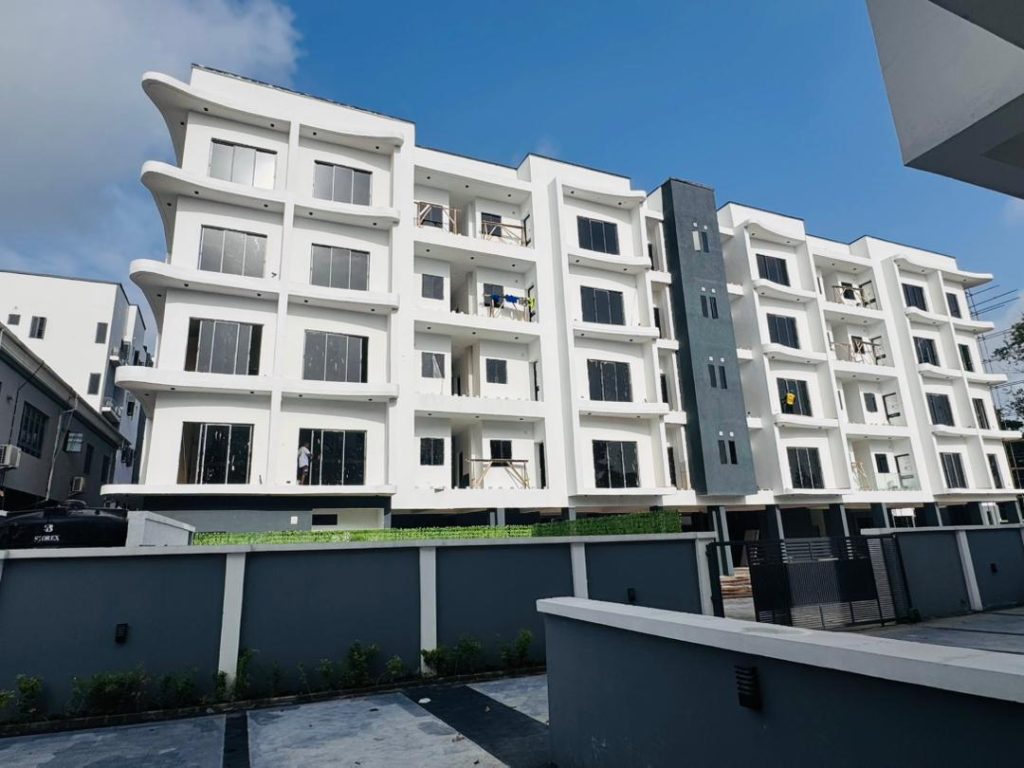
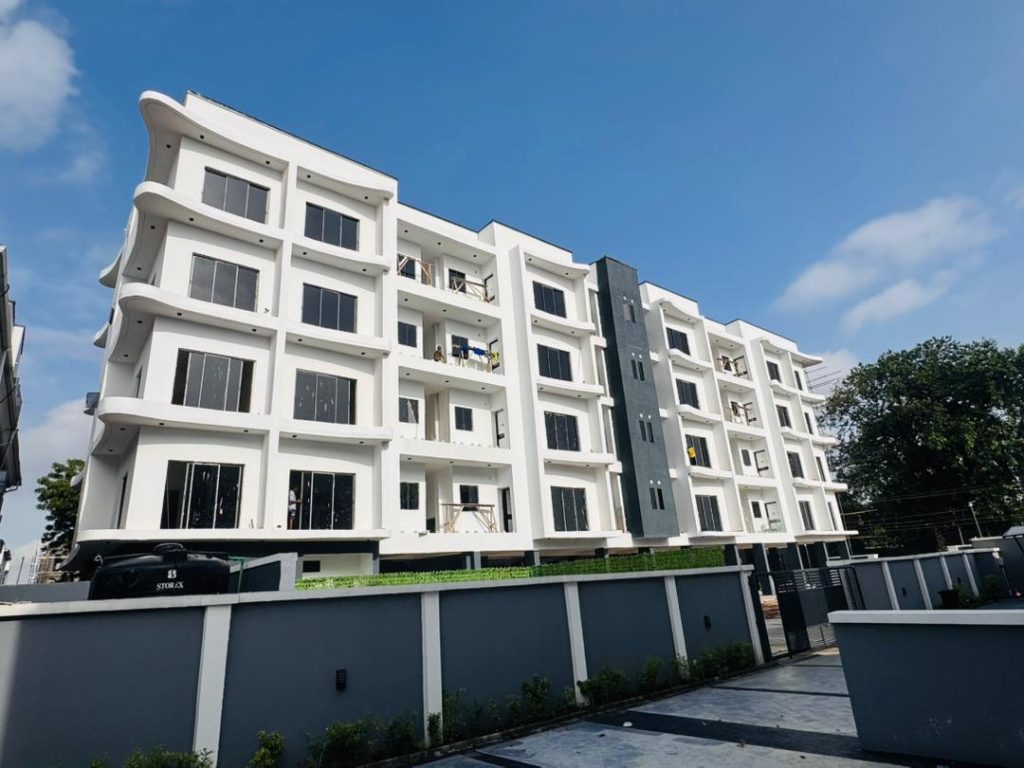
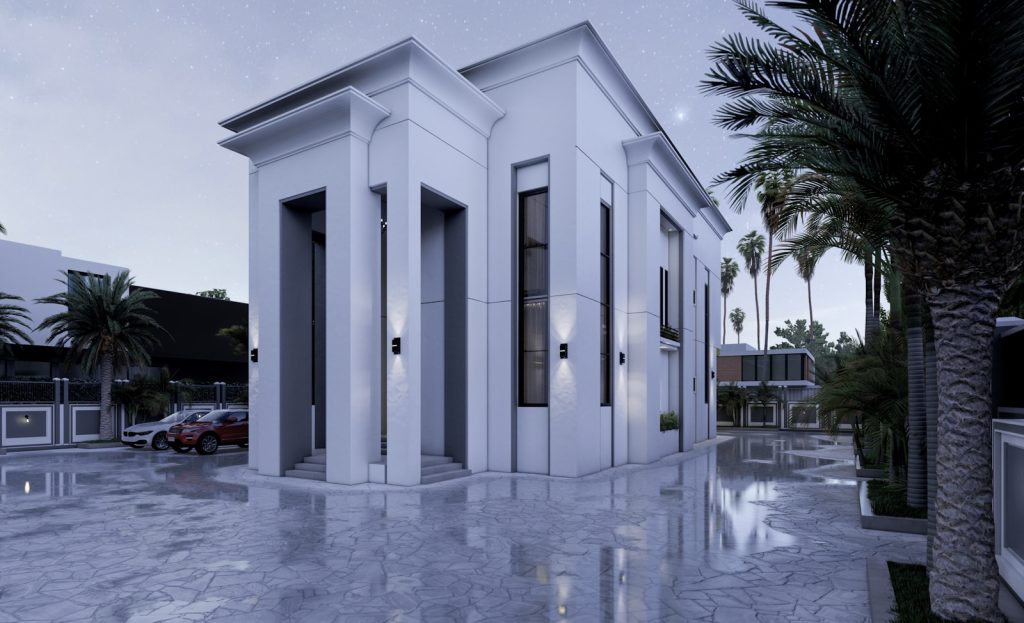
Practitioners say Lagos regulatory and approval charges now reach ~30% of some project costs. Here's what it means for buyers and self-builders in 2026 — and the exact checks to protect your budget.
Tiling a 3-bedroom flat in Nigeria costs roughly ₦1.2M–₦3M in 2026, with tiles at ₦5,000–₦18,000/sqm plus labour. Full breakdown by tile grade, in ₦ and $.
A standard 4-bedroom duplex costs about ₦75M–₦140M to build in Nigeria in 2026, excluding land. Full stage-by-stage breakdown in ₦ and $, plus the costs most quotes hide.
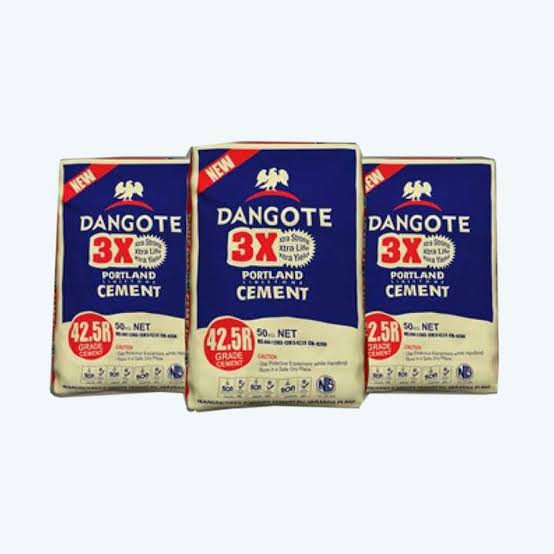
A standard 3-bedroom bungalow in Nigeria needs about 400–650 bags of cement from foundation to plastering — roughly ₦3.6M–₦7.8M in 2026. Full stage-by-stage breakdown in ₦ and $.
A block of four 2-bedroom flats costs about ₦35M–₦65M to build in Nigeria in 2026, excluding land. Full breakdown by flat count and finish, in ₦ and $, plus the costs most estimates hide.
Lagos estate service charges run about ₦150,000–₦2.5M a year in 2026, and ₦6M+ in prime estates. What the fee actually covers by estate tier, in ₦ and $, and the charges quotes hide.
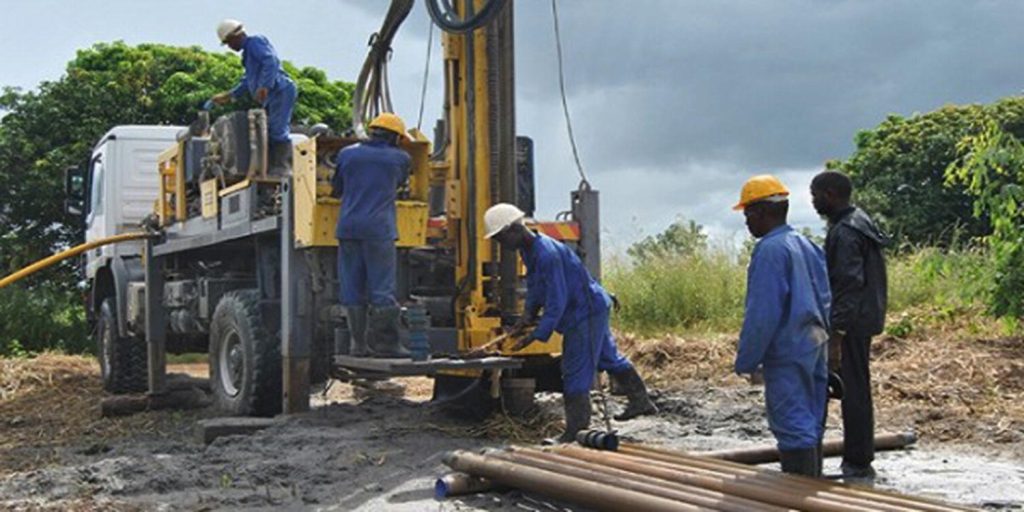
Drilling a borehole in Nigeria costs about ₦900,000–₦3.5M in 2026 for a complete system — cheaper in soft-soil Lagos, pricier over Abuja's hard rock. Full breakdown by depth and component, in ₦ and $.
A Certificate of Occupancy in Nigeria costs roughly ₦350,000 to ₦3M+ all-in for a residential plot in 2026 — official processing plus consent, stamp duty, registration and survey. Full breakdown in ₦ and $.
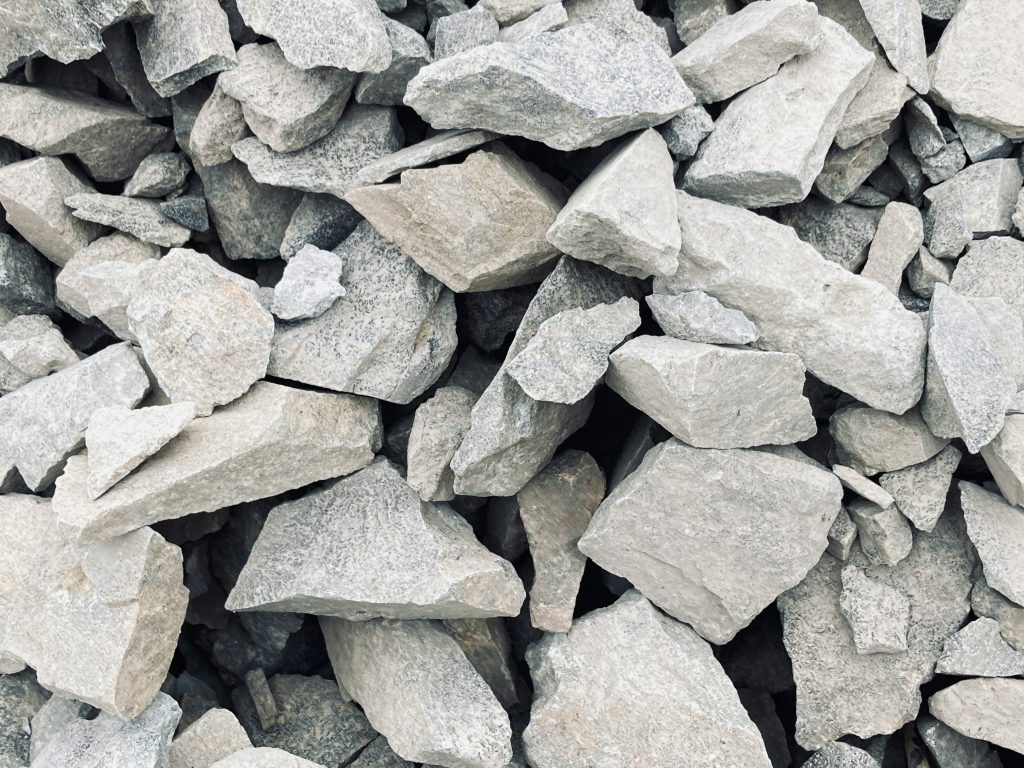
How much sand and granite you need to build a house in Nigeria in 2026 — tipper loads, per-ton prices in ₦ and $, and the waste factor most estimates ignore.